-

Essential Checklist: Forage Brassica Cultivation and Management

Forage brassicas can deliver high-quality feed when pastures fall short, but success depends on getting the basics right. This essential checklist walks farmers through paddock selection, soil preparation, sowing, grazing, and livestock health to support productive and well-managed forage brassica crops.

In this article

Forage brassicas stand out as dynamic crops, renowned for offering nutrient-dense fodder, especially when traditional pastures are lacking. This checklist is designed to guide Australia farmers in ensuring they address crucial aspects of forage brassica cultivation and management.
Paddock identification:

  • Assess pasture conditions before sowing
  • Target low-yielding paddocks that might benefit from rejuvenation

Soil analysis:

  • Schedule a soil test around 6-8 weeks prior to sowing
  • Rectify pH discrepancies at least 3-6 months in advance

Tailored fertilisation:

  • Use soil test results to determine needed application of fertilisers and lime
  • Prepare the paddock for your specific brassica variety

Comprehensive weed elimination:


Ensure a weed-free environment before sowing to prevent competition with your brassica.

Brassica selection:

Factors to consider:

  • Soil health
  • Expected rainfall and humidity
  • Anticipated maturation span
  • Grazing requisites
  • Livestock type and performance goals

View the AlfaGen Forage herbs and brassica portfolio here.

Sowing best practices:

  • Develop a uniform and fine seedbed; sow seeds to a depth of 10-15mm ensuring good seed-to-soil interaction
  • Keep a close eye on soil temperature and moisture to foster effective germination

Pest Counteraction:


Opt for XLR8® seed treatment which includes Poncho Plus® to combat pests like the Red Legged Earth Mite and Cutworm. For slug or snail issues, apply the advised bait solutions.

Be sure to factor in the recommended grazing withholding period for fast growing brassica such as Bouncer hybrid forage brassica. Bouncer can be grazed as soon as roots are anchored, which is typically around 6-8 weeks (the recommended grazing withholding period for Poncho is 6-8 weeks).

Stocking and soil nutrition strategy:

Ascertain optimal stocking figures grounded on projected grazing periods. Note: Brassicas, especially the leafy variants, react favourably to phosphorus, nitrogen, and sulphur, especially after being grazed.

Paddock selection & sowing strategy:

Whilst brassicas do well post grass crops, awareness of prior herbicide application is crucial. Direct drilling is a viable sowing alternative.

Nutrient & grazing protocols:

Adopt strip grazing for root-based crops, like turnips, to amplify nutrient uptake and curtail wastage. Varieties like kale, rape, and leafy turnips benefit from this approach. Gradually introduce brassica to livestock over 7-10 days to facilitate digestive adaptation.

Health measures for livestock

Potential health concerns:
  • Nitrate toxicity: Monitor for nitrate spikes, particularly post accelerated crop growth phases.
  • Rape scald: Mainly observed in cattle; allow rape to mature adequately before allowing grazing.
  • Red water: Stay alert for elevated sulphur content in soil.
  • Choke: Common in immature turnips; immediate veterinary consultation is advisable.
  • Clostridial diseases: Administer preventive vaccinations at least 10-14 days prior to introducing livestock to the brassica.

Utilising this concise checklist, farmers can swiftly pinpoint areas for enhancement, ensuring maximum forage brassica yields and maintaining livestock wellbeing. As the agricultural landscape evolves, both seasoned and budding farmers benefit from continuous learning and refining of their methodologies for superior forage brassica outcomes.


For more information or to discuss the right products for your enterprise, get in touch with you local AlfaGen Seeds Territory Manager.

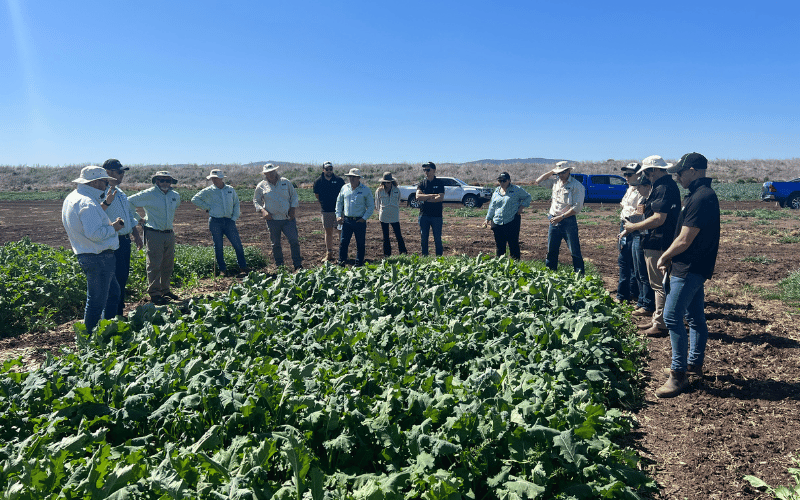
The AlfaGen commercial team inspect the latest AlfaGen forage brassica trials at Breeza, NSW.

You might also like