-

When forage cereals go to head: what are your options?

In this article

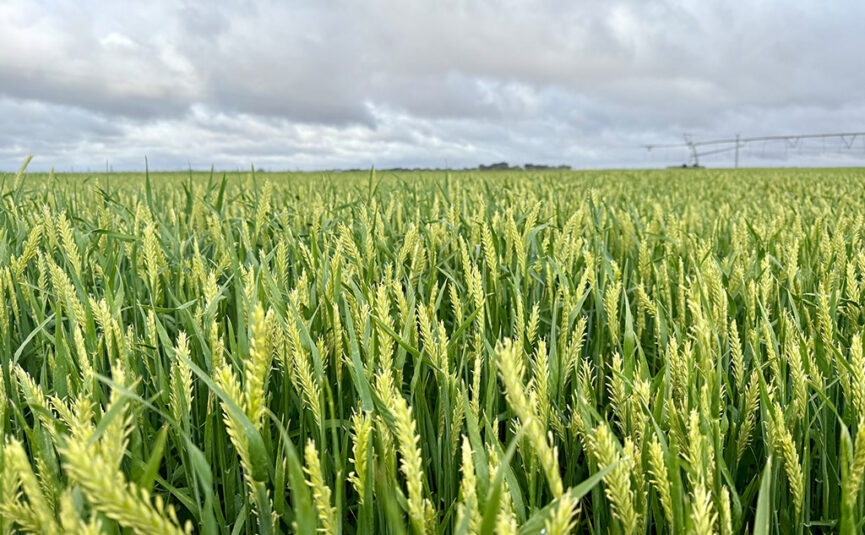
What do you do when your forage cereal crops run to head before the end of winter? For plenty of farmers, that means thinking on your feet and choosing the best way to manage a lot of feed – while still setting paddocks up for a profitable crop or pasture afterwards.

There’s no single right answer. The right way of managing forage cereal crops that are running to head will depend on your climate, your system, and the machinery and livestock you’ve got available.
How come my crops have gone to head early?

In many cases, it isn’t just one thing that causes crops to get out of control. A few factors line up at the same time, including:

  • Early planting after rain following a long drought
  • Choosing fast-maturing varieties
  • A mild autumn that encouraged rapid growth
  • Drying soil conditions
  • Limited early grazing, often because stock were expensive or numbers were tight

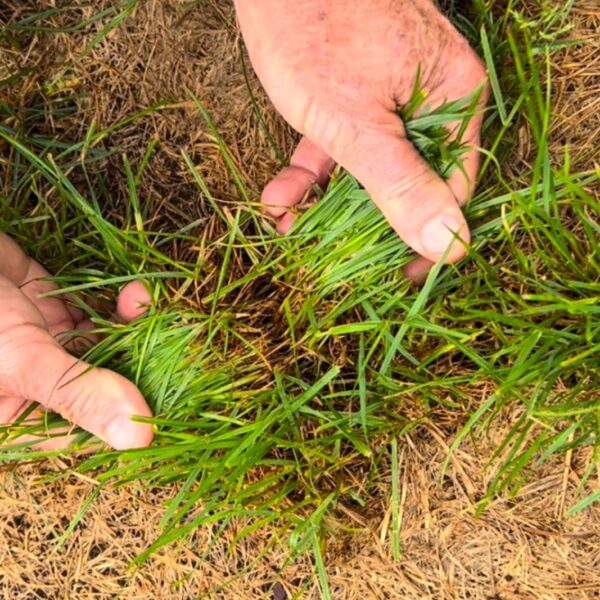
Delayed grazing during a mild autumn often leads to more stem production, which reduces both feed quality and regrowth potential later on.

Delayed grazing in a mild autumn will lead to stem production, which reduces quality and regrowth.

Managing excess winter feed in forage cereal crops

Before deciding what to do, it’s critical to know exactly what growth stage your crop is at. Accurate growth stage assessment is an important step in managing forage cereal crops effectively. Using a reference like the NSW DPI Winter Crop Sowing Guide can help you identify these stages and make better-informed decisions before you commit to grazing, cutting, or spraying. Once you’ve assessed the crop, there are several ways to remove bulk and get paddocks back under control.

Common options include:

  • Concentrated grazing – usually the cheapest option, but often limited by stock availability
  • Mowing or mulching – effective for knocking down bulk, though not always practical on every farm
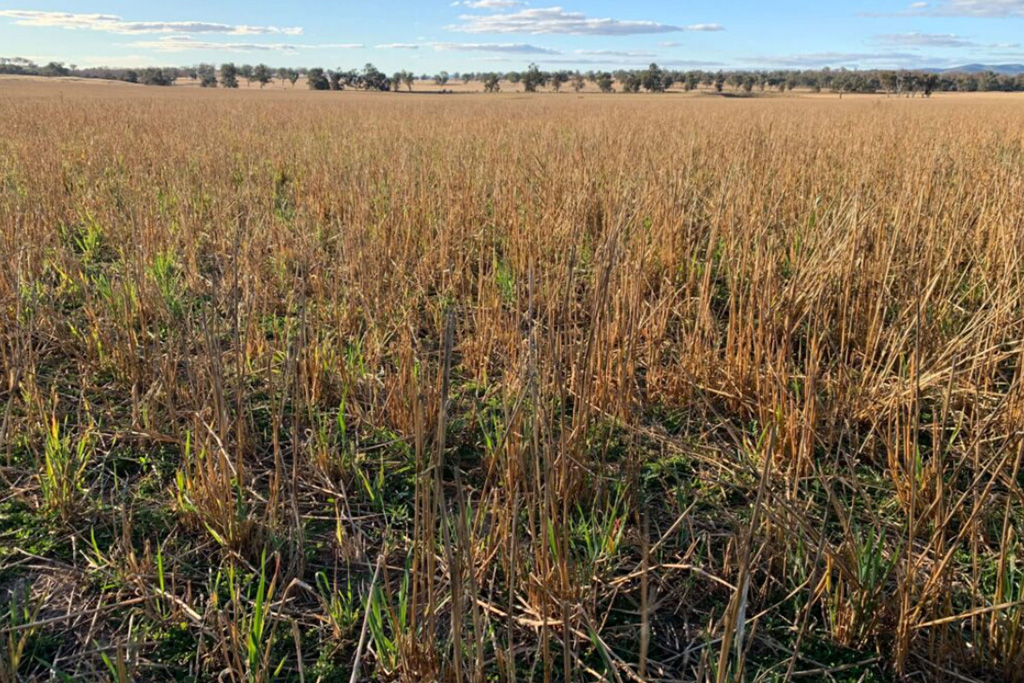
  • Silage or hay – a solid option if conditions allow; hay is best made in spring while grain is still soft
  • Feed storage – if hay or silage isn’t needed straight away, consider storing it for the next dry period (extra wrap or pit silage can help with longer-term storage)
  • Sacrifice paddocks – spelling the paddock through spring and grazing dry feed in summer can be a low-cost option
  • Spraying out – if the feed isn’t needed when it’s at its best, spraying with glyphosate can help hold quality and conserve soil moisture

Keep in mind that mowing won’t result in fresh green regrowth unless there are enough vegetative tillers at the time of cutting.

Planning what comes next

Once the bulk is managed, it’s time to look ahead. Choose a follow-up option that suits your animal needs, climate, and soil temperatures.

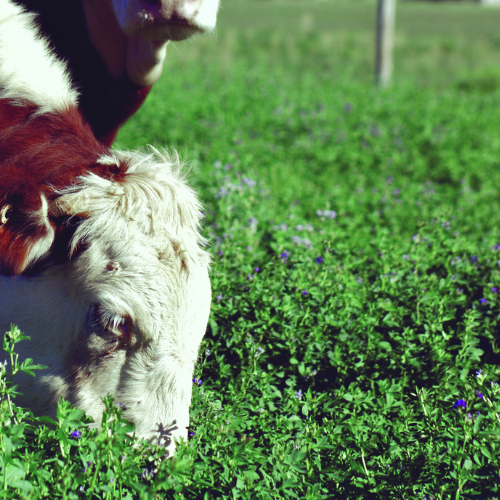
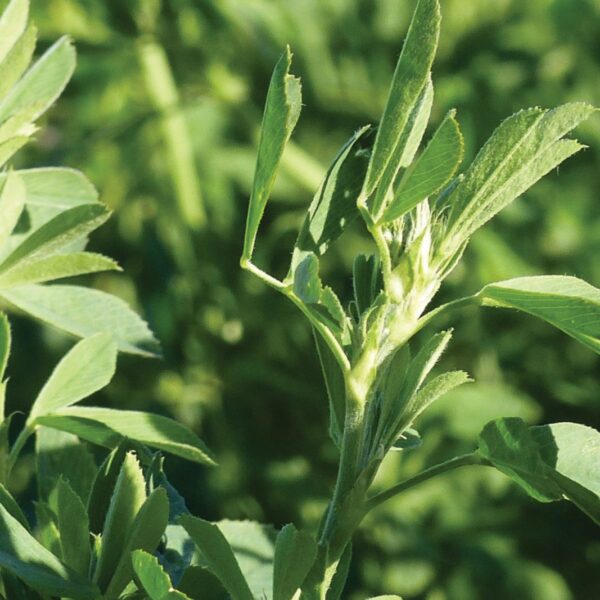
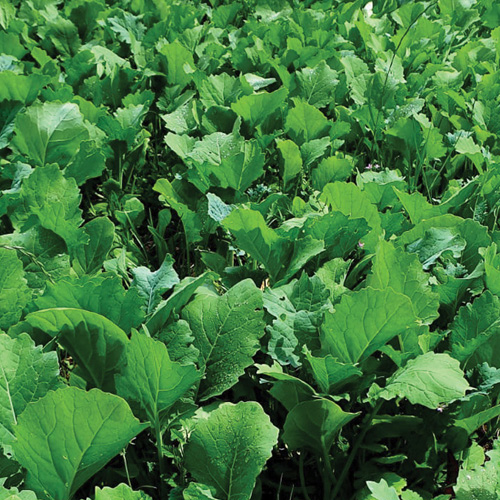
AlfaGen Seeds Subzero hybrid forage brassica and Bouncer hybrid forage brassica can be planted in early spring (9ºC + soil temperature) for spring and summer grazing. AlfaGen chicory, plantain and red clover crops can be planted at a similar time and provide quality feed for more than a year. Lucerne, or lucerne–chicory mixes, are also strong options.

Subzero hybrid forage brassica

As soils warm, millet can be planted from 14°C, while sorghum for grazing or silage suits warmer soils (around 16°C).

When grazed regularly, oat crops can maintain quality right through winter — but timing and management are key.

Always talk through your options with your local agronomist. And if you’d like to discuss what might work best in your system, your local AlfaGen Seeds Territory Manager is a great place to start.

Good decisions now can turn a tricky season into a productive one.

You might also like

Get the latest Alfagen news and updates

Get seasonal tips, agronomy advice and seed recommendations from the AlfaGen Seeds team.