-

The benefits of soil testing

In this article

Getting your paddocks ready for sowing is a key part of any cropping or pasture plan. When you’re planning a new crop or pasture, it’s easy to focus on seed choice and things like feed quality, yield potential, or persistence. But are you overlooking an important step? 

Comprehensive soil testing is just as important, helping you understand whether a species is really suited to your paddock and if it can reach its full potential. Without knowing the whole picture, like soil fertility and profile characteristics, it’s difficult to make informed decisions about species selection, fertiliser inputs and long-term performance.
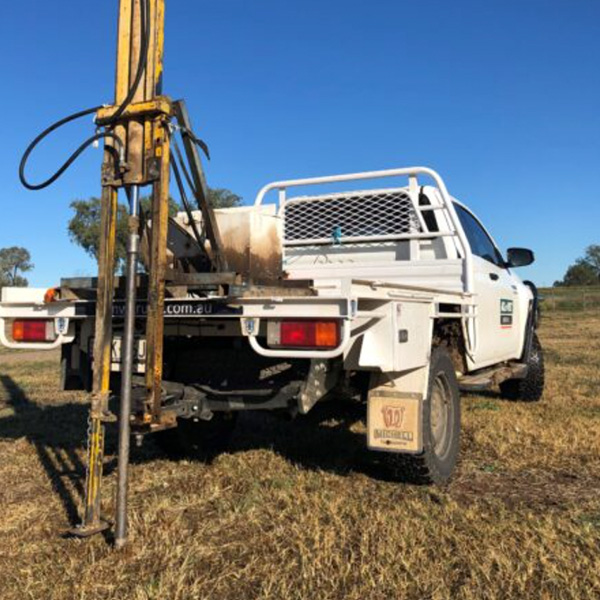
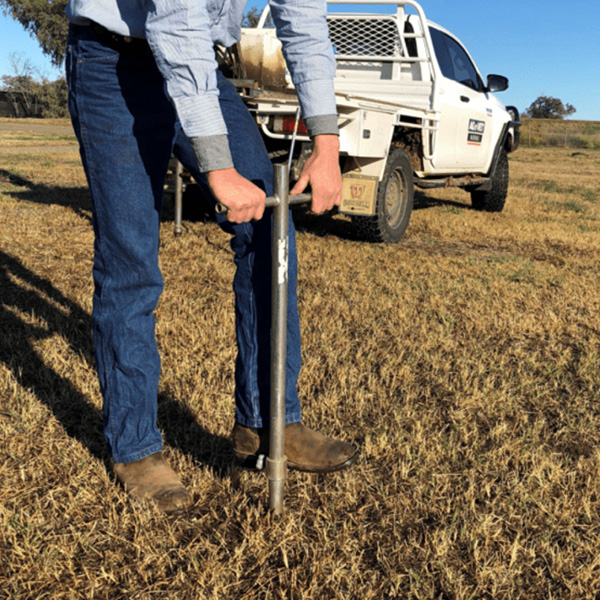
Deep soil tests using a vehicle mounted soil tester gives you a profile soil sample. Splitting up these samples into segments and testing separately gives you the best indication and location of the soil nutrients and constraints.

Soil testing gives you a clear picture of what your paddock actually needs. Sometimes, tests reveal that key nutrients, like nitrogen, are already there, potentially saving you some money on fertiliser for example. Other times, testing uncovers deficiencies, so you can apply the right fertiliser at the right rate, helping get the best return from your crop or pasture.

The advantages of deep soil testing for pastures and crops

Deep soil testing provides an even greater advantage. By looking at pH, subsoil texture, and chemistry down the profile, you can spot conditions that might be holding your plants back. Some of the main advantages include:

  • Measurement of pH, subsoil texture, and subsoil chemistry to detect conditions that may hinder roots, which is particularly important with deep root systems like lucerne and sorghum
  • Identification of nutrient availability and deficiencies deeper in the profile
  • Optional add-ons, such as exchangeable cations analysis

Incorporating deep soil testing into your paddock management plan gives you insight into the elements that matter most for your crops, without the cost of a full-range test.

Shallow soil tests (0-10cm) are the most common testing done. These only give you a snapshot of the surface but don’t give a true indication of your soil profile

How soil testing leads to better fertiliser decisions

To get a true understanding of the soil profile, testing should be segmented. Segmenting samples gives you a clearer picture of nutrient distribution and soil structure. Adjustments can then be made based on soil depth and the rooting potential of the species being sown.

Example: Splitting samples into 0–10cm and 10–60cm segments—or even a 4-way split down to 90cm—provides detailed insight into nutrient availability and soil structure. Shallow-rooted species, such as perennial ryegrass or white clover, may only require testing to 20cm, while deeper-rooted crops may benefit from sampling down to 120cm.

Strategic soil testing can make a real difference to your pasture and crop decisions. Nitrogen, for example, is a key factor when planting spring or summer forage crops like brassicas, millet, or forage sorghum, because nitrate levels directly affect stock health. On several occasions, deep soil testing has prompted farmers to change their sowing plan, with soil constraints (like high aluminium or sodic subsoils) leading to alternative choices that perform better and persist longer.

Getting started

If you’re looking for a comprehensive soil testing program, reach out to your local agronomist or contact us and we can point you in the right direction. Together, we can help get your paddocks prepared for the best possible outcomes.

Soil testing: what you need to know

You might also like

Get the latest Alfagen news and updates

Get seasonal tips, agronomy advice and seed recommendations from the AlfaGen Seeds team.