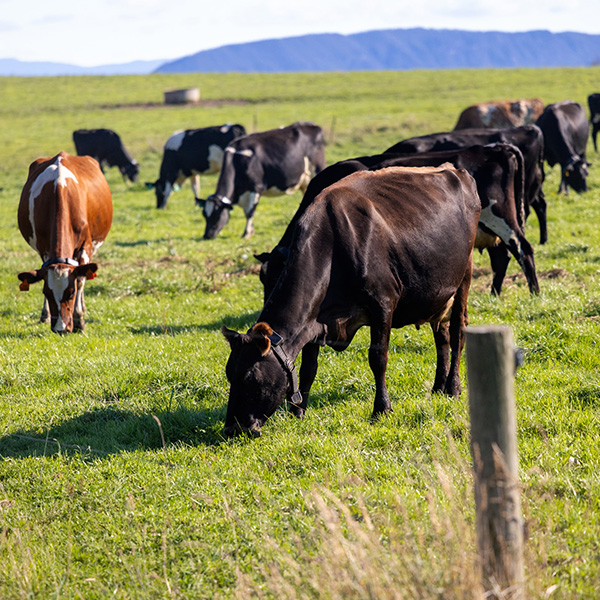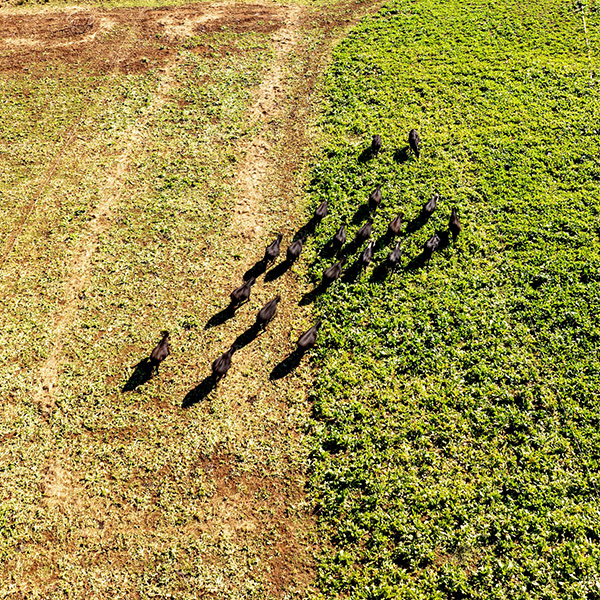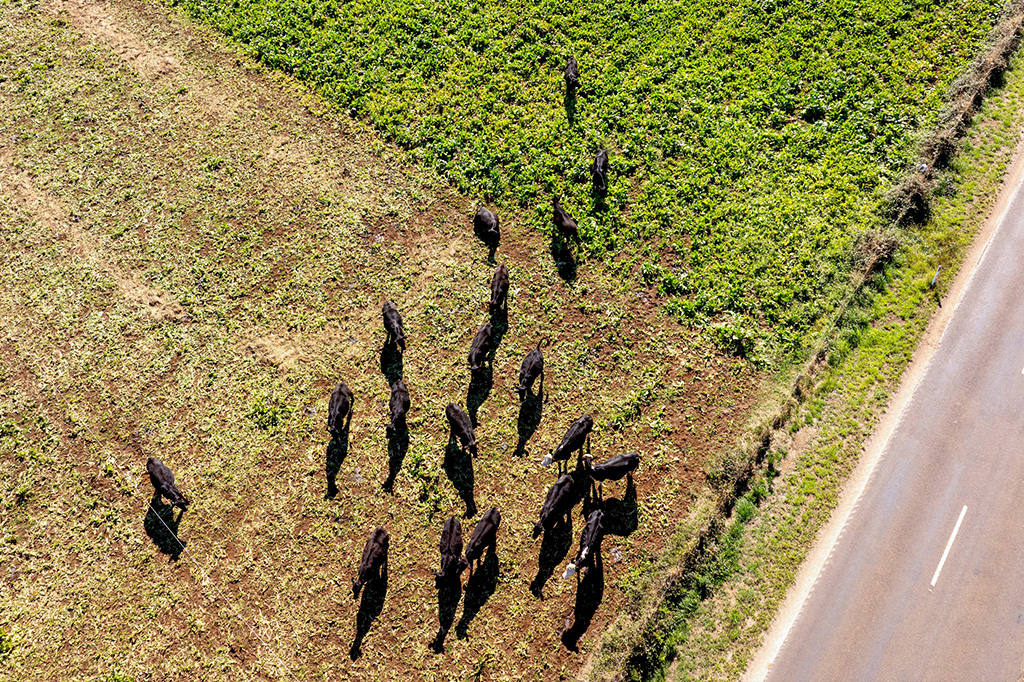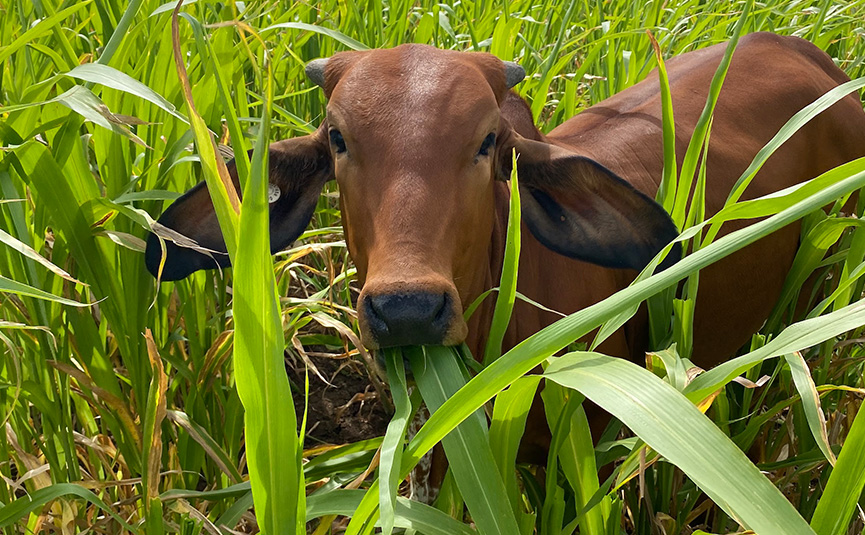
Grazing pressure comes down to a simple balance – how much feed you’ve got, and how many mouths are trying to eat it. But that balance drives more than just what’s in front of you today.
Push plants too hard for too long and recovery starts to slip. If the pasture is spending more energy than it’s earning, something’s got to give. Energy reserves in roots and crowns get depleted, the plant struggles to regrow, and weeds and pests start to get a foothold.
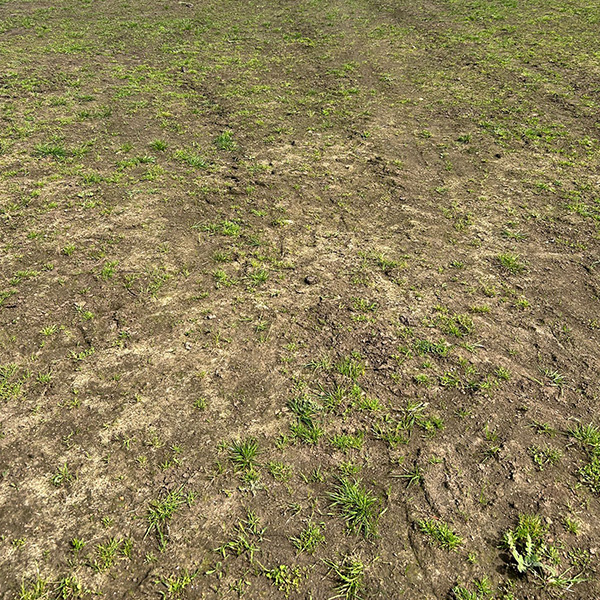
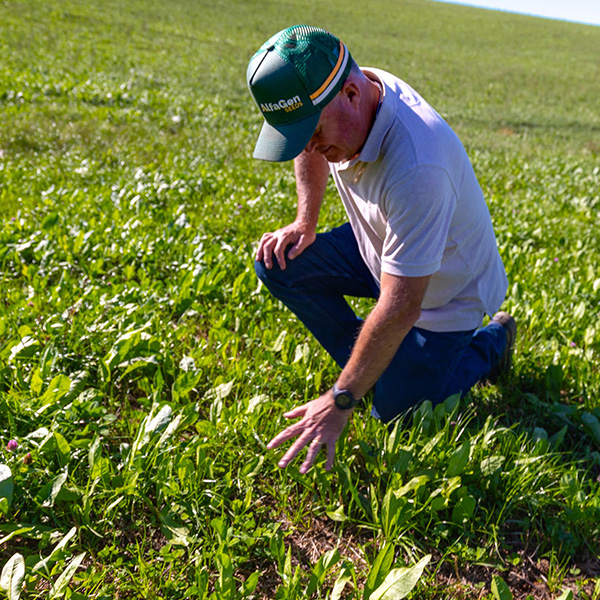
In grass-based pastures, this often shows up as reduced tiller density. A dense sward is your best defence — and that’s built with the right grazing. Light, well-timed grazing actually encourages tillering, while heavy continuous pressure thins out the stand and opens the door to weeds.
Without adequate rest, root systems suffer too. Shallow roots mean less access to deep moisture or nutrients, making your pasture a sitting duck when the going gets tough.
Here’s the key insight: grazing management doesn’t just influence today’s feed. It shapes how your pasture performs in the weeks and seasons ahead.