Climate adaptability
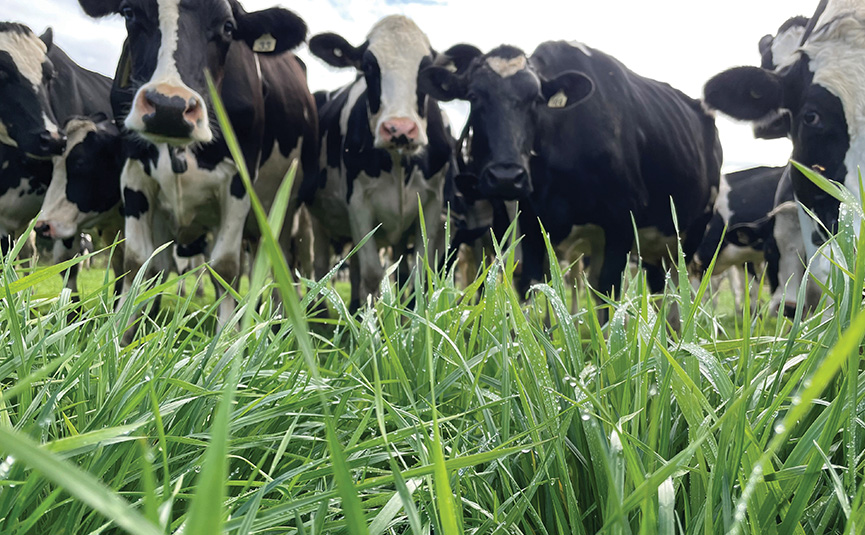
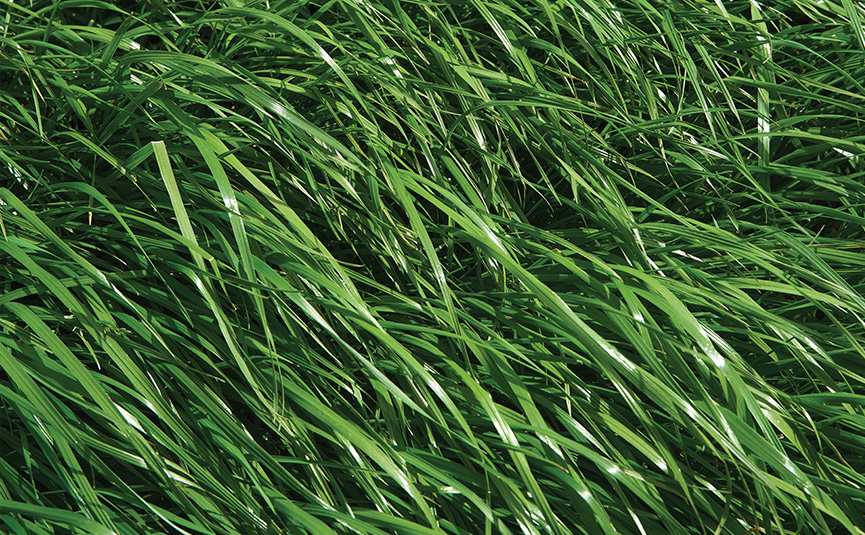
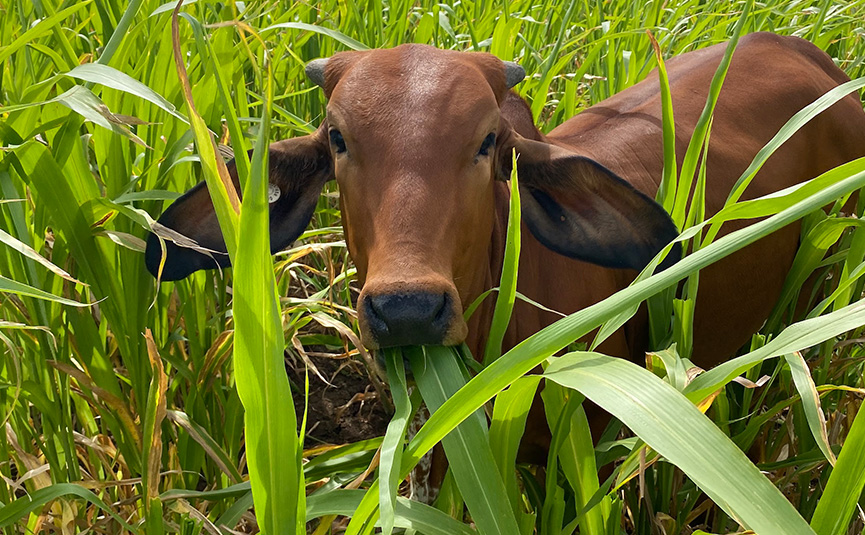
Ryegrass is well suited to Australia’s diverse climates, with varieties ranging from annual to biannual and perennial options. Its resilience to cold winters and adaptability to different soil types make it a reliable choice for regions where other forages may struggle.
Warm vs. cool climates
In cooler regions, ryegrass is valued for its high productivity during autumn and winter, prolific growth in spring, and even extended productivity into summer. In regions with hot summers, annual and Italian ryegrass provide productive forage from winter through to spring.
Seasonal flexibility
With annual, biannual, and perennial options, farmers can choose the type of ryegrass that best aligns with their pasture planning and farming operations.
Soil type suitability
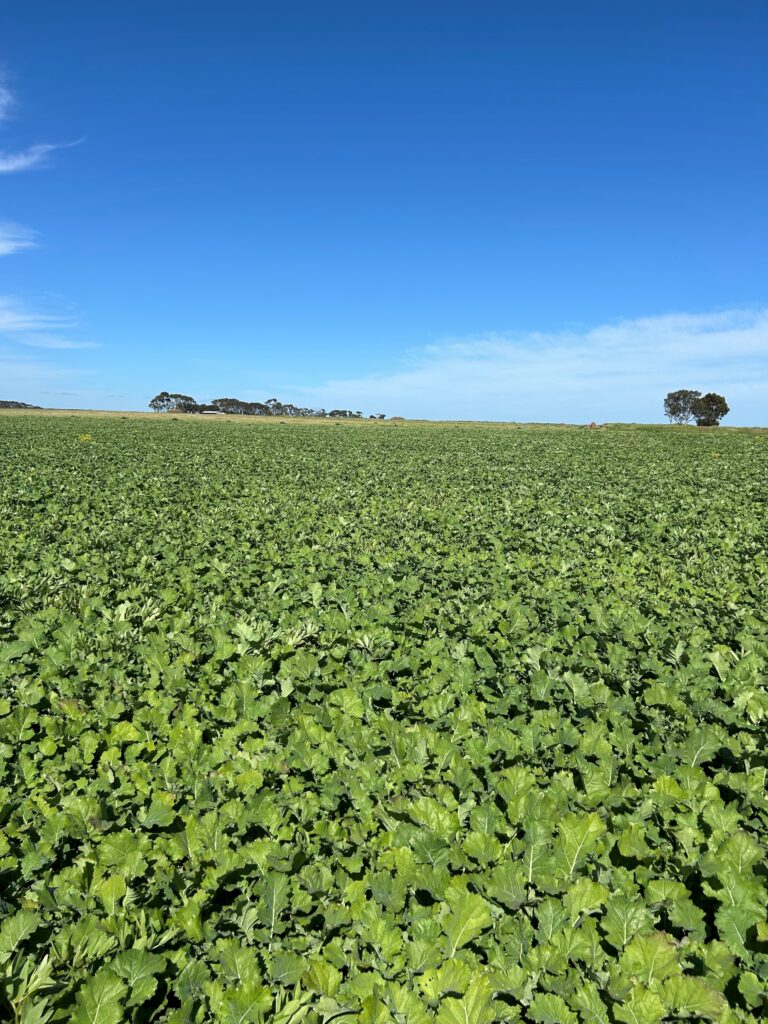
Ryegrass performs well in a range of soil types and conditions, including light or heavy soils and those with lower pH ranges.
Heading dates
Perennial ryegrass cultivars offer a range of heading dates (when >50% of seed heads emerge), allowing farmers to optimise productivity for their region. For areas with an early end to spring and limited summer rainfall, earlier maturing types are recommended. Conversely, in irrigated regions like southern dairy zones, late-maturing options maintain vegetative growth later in the season, supporting prolonged productivity in grazing systems.