-

The secret to success for organic veggie farm

For organic market gardeners on the Mid North Coast of NSW, cover cropping has become the foundation of long-term soil health and productivity. This case study shows how a customised, diverse cover crop blend helped an intensive vegetable system thrive in a humid, sub-tropical climate.

In this article

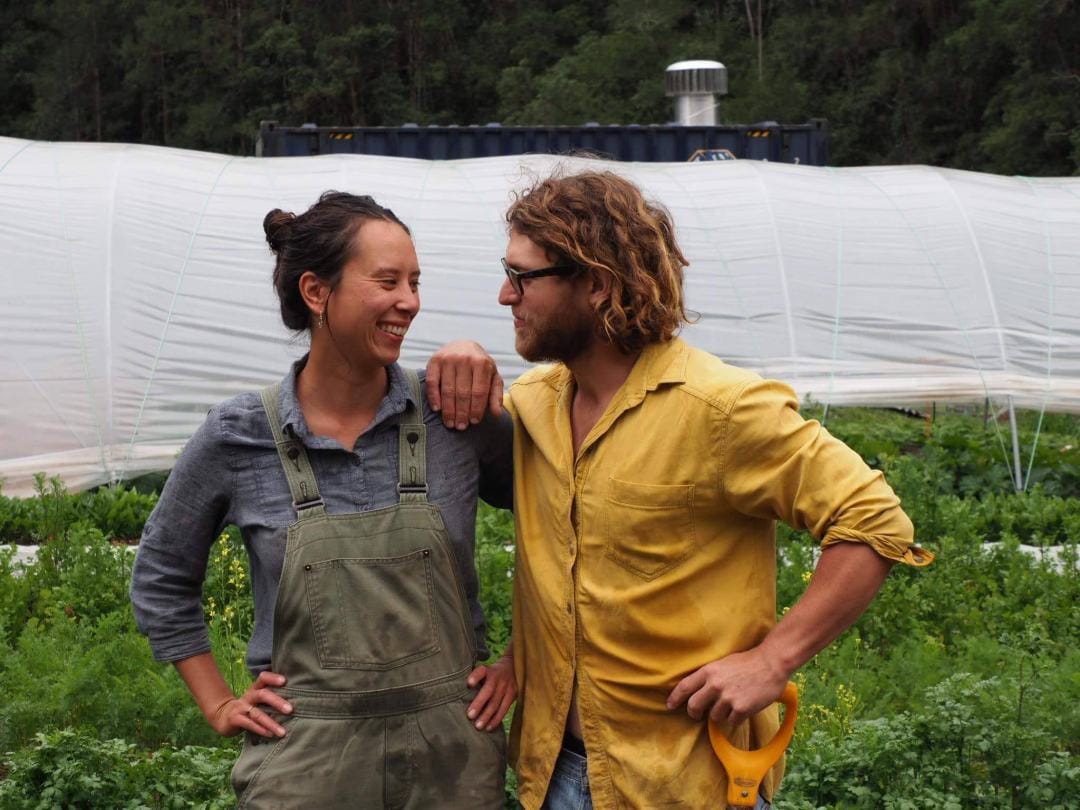
Tom and Kaycee are organic market gardeners from Nambucca on the Mid North Coast of New South Wales. Their business, The Mandarin Bend, focuses on growing a variety of annual vegetables which they sell directly to their local community through farmers markets and online.
“Along with regular compost amendments and biological inputs, we have found cover cropping to be integral to our soils and maintaining ground cover during the summer break.”
– Tom and Kaycee, The Mandarin Bend, Nambucca NSW

Custom covercrop blend

The pair worked closely with AlfaGen Seeds Australia to develop a customised annual covercrop blend that benefited their enterprise and local climate.

“Farming in a humid sub-tropical climate, with the majority of rain falling over the summer months along with the associated pests and disease issues…we decided early on in our growing career to break production during these months,” Tom and Kaycee clarified.

“Along with regular compost amendments, nutrient balancing and biological inputs, we have found cover cropping to be integral to our soils and maintaining ground cover during the summer break.”

Maintaining and improving soil health is central to the core business of The Mandarin Bend. It is a smaller-scale, intensive production system where permanent no-till raised beds are pushed to yield three to four successive crop cycles during the one growing season. Without adequate attention to the soil health and nutrient replacement, this production model would simply be not possible.

Customised annual covercrop blend

Seed diversity, essential to cover cropping success

Through working with the AlfaGen team, Tom and Kaycee were able to find the seed diversity that is essential to cover cropping success – something that had previously been a challenge when using local rural merchants.

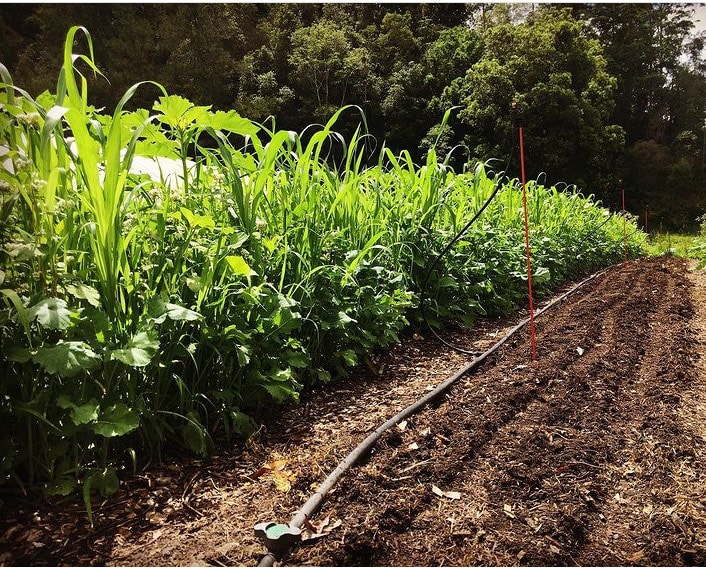
“It’s now working great”, they explain. “We’ve sown a ten species cover crop mix that includes grains, pseudo grains, pulses, legumes and brassicas.” The covercrops are terminated by crimping with a walking tractor, flail mowed and then left covered with a tarp to decompose. Once the tarps are pulled back, the impact of the cover cropping process is apparent – the soil is once again friable and teeming with life.

Tom and Kaycee are certain that their continued success and high production levels are due to their focus on the use of covercrops.

Find out more about AlfaGen covercrop blends or have a chat with your local AlfaGen Territory Manager about a custom blend option.

You might also like

Practical insights for better pastures

Get seasonal tips, agronomy advice and seed recommendations from the AlfaGen Seeds team.