-

Lucerne: Managing performance through wet winters

Wet winters can put real pressure on lucerne stands. Excess moisture, heavy grazing, and soft paddock conditions can quietly erode performance over winter, showing up as poor spring recovery at a critical time for feed planning. This article covers the practical management decisions that can protect your lucerne through wet conditions and set you up for a strong season ahead.

In this article

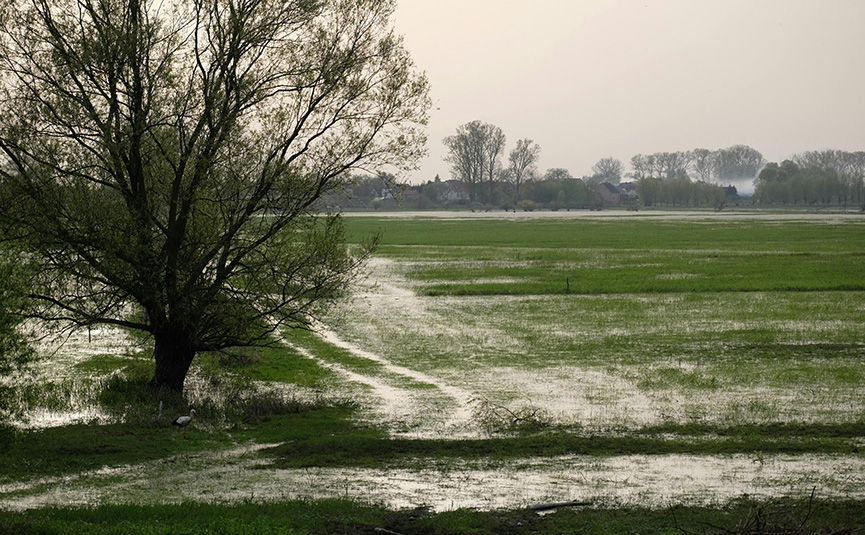
Wet winters aren’t just a theory for most Australian growers — they’re a reality, and they put lucerne under pressure.  Excess moisture, grazing on soft ground, and paddock damage can build over winter, only becoming visible when spring performance disappoints. Lucerne has a long memory; what you do in June and July shows up in September.
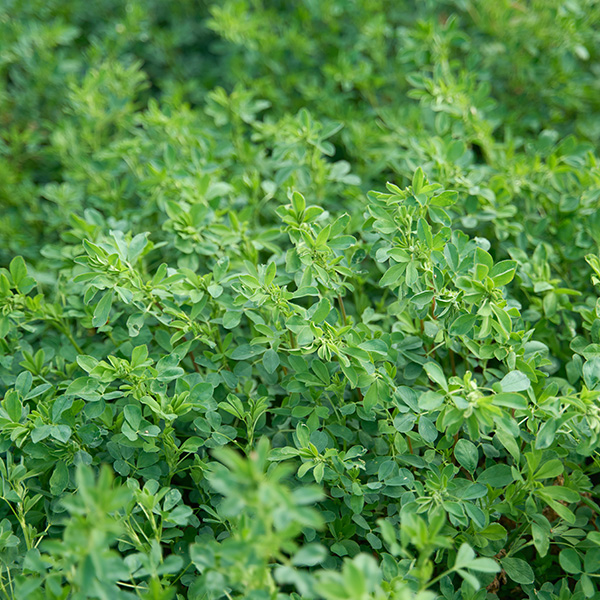
How wet winter conditions affect lucerne

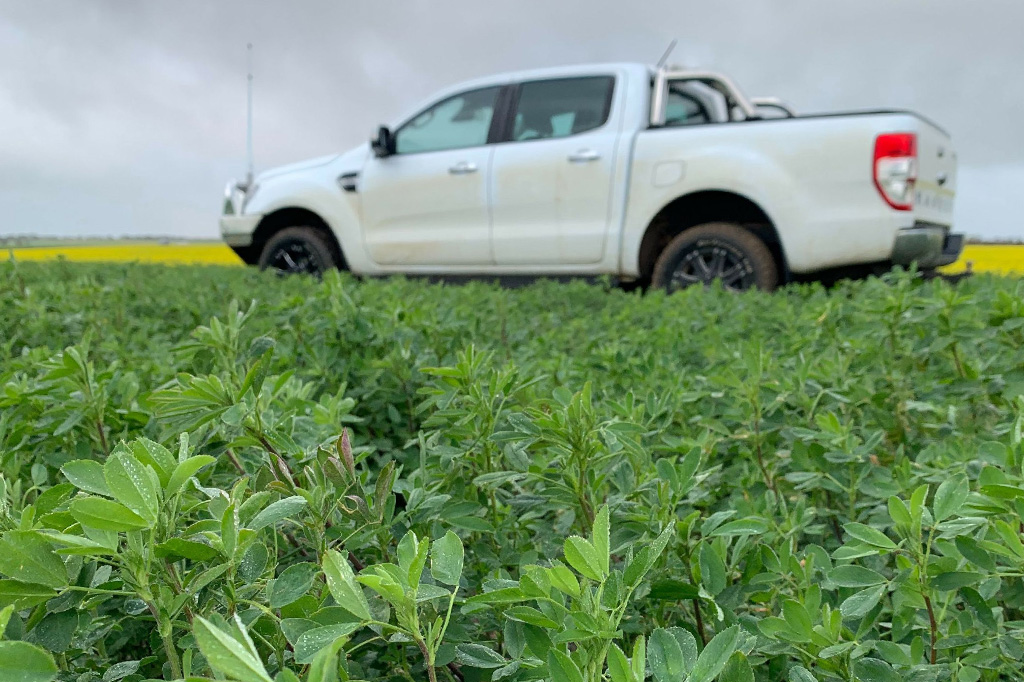
Lucerne hates wet feet. Waterlogged or poorly drained soils slow root activity and open the door to soil-borne diseases, particularly Phytophthora root rot, which spreads quickly through saturated ground. Even without disease, prolonged moisture reduces nutrient uptake and slows recovery after grazing.

Conditions vary paddock to paddock. A free-draining sandy loam handles wet periods fair better than heavy clays. Knowing which of your paddocks are most vulnerable is where wet winter lucerne care really needs some focus.

Does your variety choice affect wet winter performance?

Short answer: yes, though it’s not a substitute for good management.

In a lot of environments, if you’re running dormant or semi-winter-dormant varieties like Q31, L56® or GTL60®, it’s best to lock them up for winter. These varieties aren’t designed to be grazed or cut through the cold, wet months. Keep stock off and avoid cutting until mid-spring, once the stand has had time to rebuild crown reserves. Chasing winter production from a dormant variety is a reliable way to shorten its life.

Winter active varieties like L97 and L91® are bred for year-round production, but they still need tighter grazing control and longer rest periods in wet conditions to hold up.

Disease resistance is worth thinking about here too. L56® carries the highest available resistance to Phytophthora in the AlfaGen Seeds lucerne range, which gives it an edge in higher-risk environments.

Variety selection alone will not protect a stand from poor management. But choosing varieties with traits suited to your environmental conditions gives you a better foundation to work from.

AlfaGen Seeds dormant, semi-winter-dormant, and winter active lucerne varieties

Managing grazing and paddock conditions in wet winters

Lucerne is at its most vulnerable in wet conditions. Growth slows, root reserves are lower, and recovery takes longer—so grazing pressure and traffic need to be managed carefully.

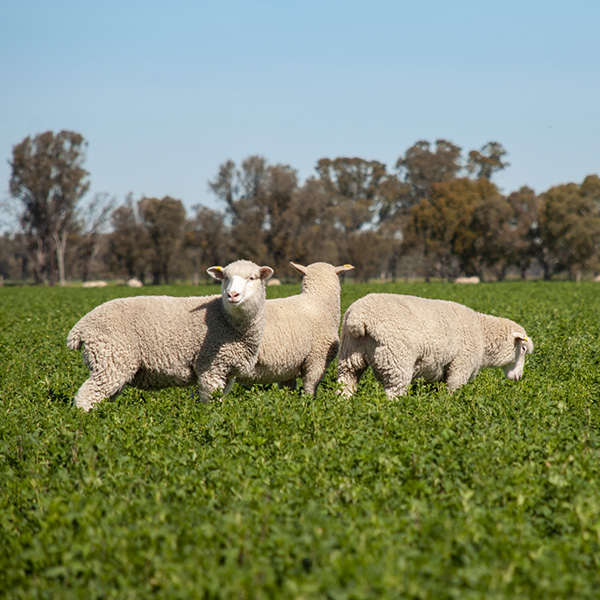
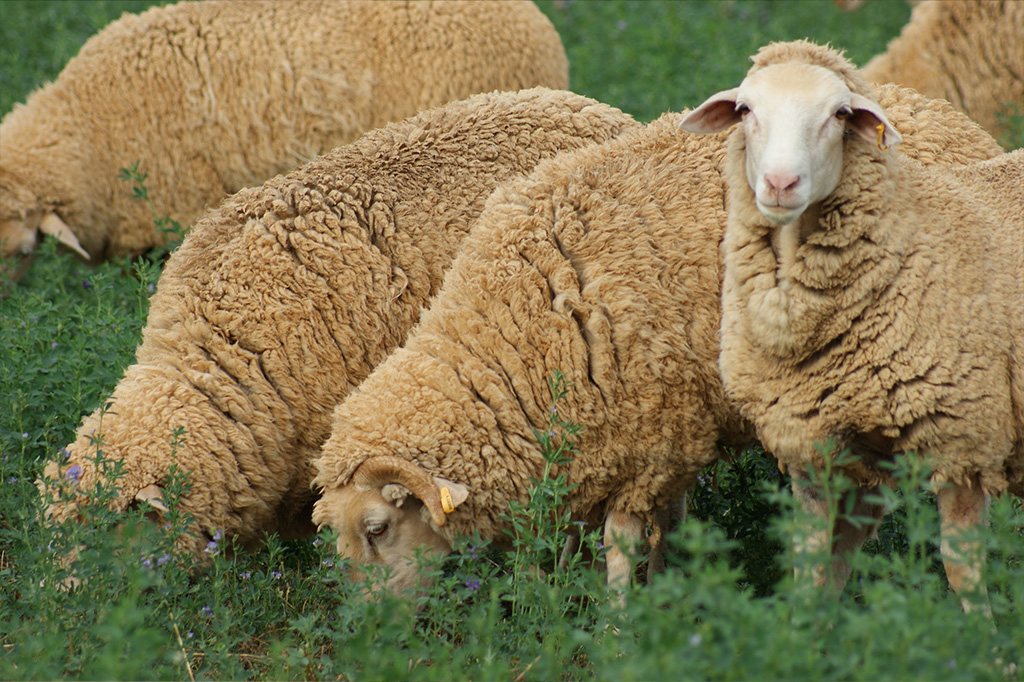
As a guide, keep grazing periods to no more than two weeks, followed by a three-to-six week rest. In wet winters, lean towards the longer rest. The paddock will tell you when it’s ready—and it’s usually later than you think. Avoid set stocking where possible; a concentrated mob moved through quickly does far less damage.

Wet soils are easily damaged. Pugging and compaction can impact both plant health and soil structure well beyond the season. If conditions are soft, keep stock, vehicles and machinery off paddocks where you can. Where grazing is necessary, strip grazing helps control impact and protect recovery. For cutting, avoid operating on wet ground to limit compaction.

As winter breaks, a targeted application of nutrients like nitrogen, sulphur or phosphorus can help kick-start spring growth and set the stage for recovery.

Putting it all together

Wet winters separate well-managed lucerne from the rest. The decisions you make around grazing, paddock traffic, and recovery time through those cold, wet months carry more weight than most growers give them credit for.

If you’re looking at variety selection or wanting support around wet winter lucerne care, AlfaGen Seeds has a full range of lucerne varieties developed specifically for Australian conditions, and a team that can help match the right variety to your paddock and system. Get in touch with your local Territory Manager to chat through your options.

FAQs

You might also like

Practical insights for better pastures

Get seasonal tips, agronomy advice and seed recommendations from the AlfaGen Seeds team.