-

Understanding seasonal pasture growth patterns

Some seasons things seem to take off overnight, others it slows right down. Learn how seasonal pasture growth patterns affect feed supply and key factors influencing pasture performance in Australia.

In this article

You don’t have to have been farming long to know that pasture doesn’t grow the same way all year round, or year on year for that matter. Some seasons things seem to take off overnight, others it feels like a crawl. The good news is, it’s something you can plan around.

Temperature, rainfall and the species you’ve sown all play a role in shaping what your pastures do throughout the year. Once you understand those rhythms, you’re in a much stronger position to make smarter decisions, meaning fewer surprises, better feed planning and pastures that last.

Key factors affecting pasture growth

Pasture growth is the result of several factors working together. Understanding what’s driving growth (or slowing it down) at any given time helps you respond more effectively.

Temperature

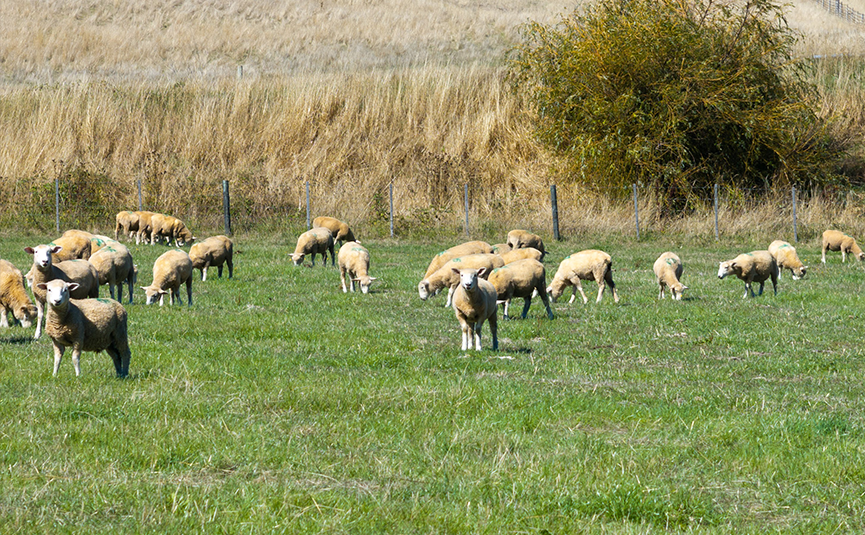
Different species suit different climates, so it’s worth thinking about what works best in your region and before you sow. Most pasture species have temperature ranges where they really perform, and outside those ranges, growth can slow down. Winter pasture growth can slow significantly in cooler months, particularly in southern and highland regions where cold nights drag on. Come spring, when the mercury climbs back up, growth can accelerate quickly, sometimes faster than your stock can keep up with. Planning ahead for those peak growth periods is just as important as managing the quiet times.

Soil moisture and rainfall

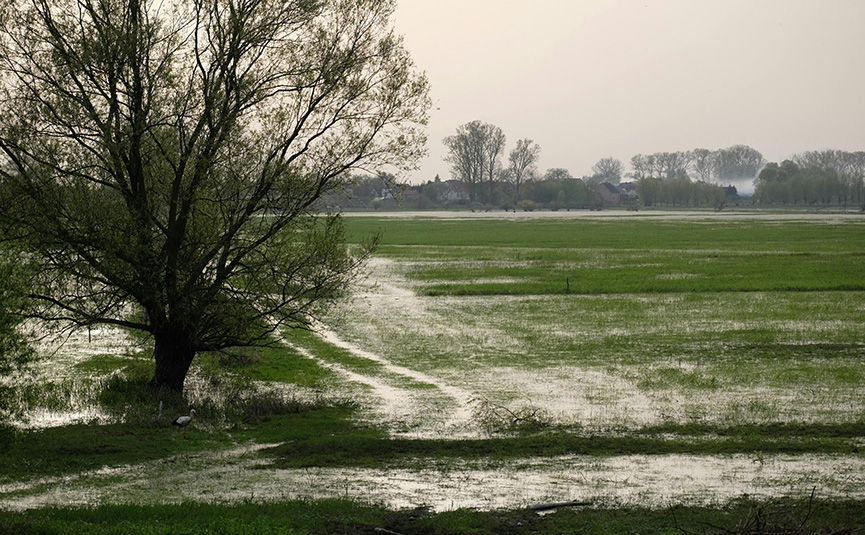
Without adequate soil moisture, even the most fertile paddock won’t perform. Rainfall drives establishment, regrowth after grazing and overall pasture persistence through the tougher months. Too much water can be just as damaging, as waterlogged soils restrict root development, increase disease pressure and can slow pasture growth significantly. Make sure to choose well-drained paddocks, and manage drainage and traffic where you can.

Timing matters too. A dry autumn can set back establishment of cool-season species. A summer dry spell can stress warm-season pastures. Building moisture management into your planning, whether that’s irrigation, species selection or adjusted stocking, makes a real difference.

Soil fertility

Nutrients like nitrogen, phosphorus and sulphur are essential for plants to grow vigorously and recover well after grazing. Legumes play a special role here. Species like lucerne and clovers fix atmospheric nitrogen, contributing it to the soil over time and reducing the need for synthetic nitrogen inputs. 

Grazing management

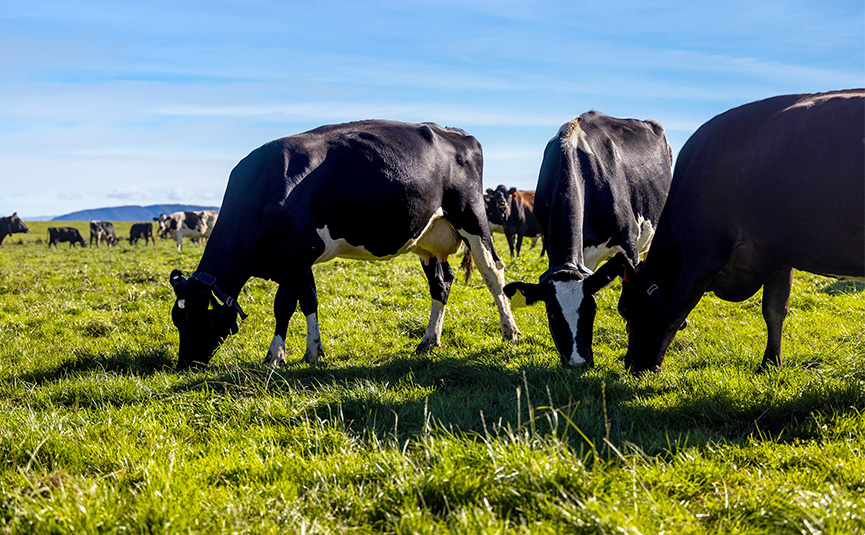
How you graze is just as important as what you grow. Overgrazing puts real pressure on plants. It depletes root reserves, reduces recovery speed and, over time, can knock back the persistence of your best-performing species.

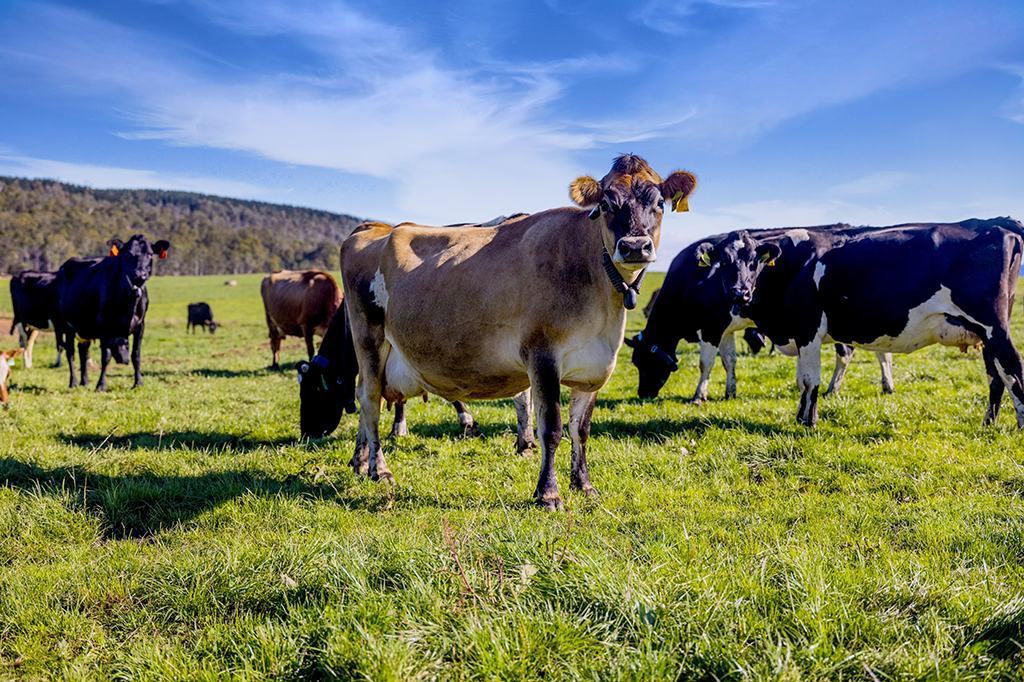
Rest periods and rotational grazing give pastures the chance to recover properly before the next grazing event. Well-managed pastures are more productive, more resilient and cheaper to maintain than ones that are run into the ground.

Species selection

Matching species to seasonal pasture growth conditions is one of the most impactful decisions you’ll make.

  • Ryegrass is a reliable cool-weather performer, delivering strong production through autumn, winter and spring in temperate regions.
  • Lucerne offers a full range of dormancy options, so you can choose the right level of winter activity for your region.
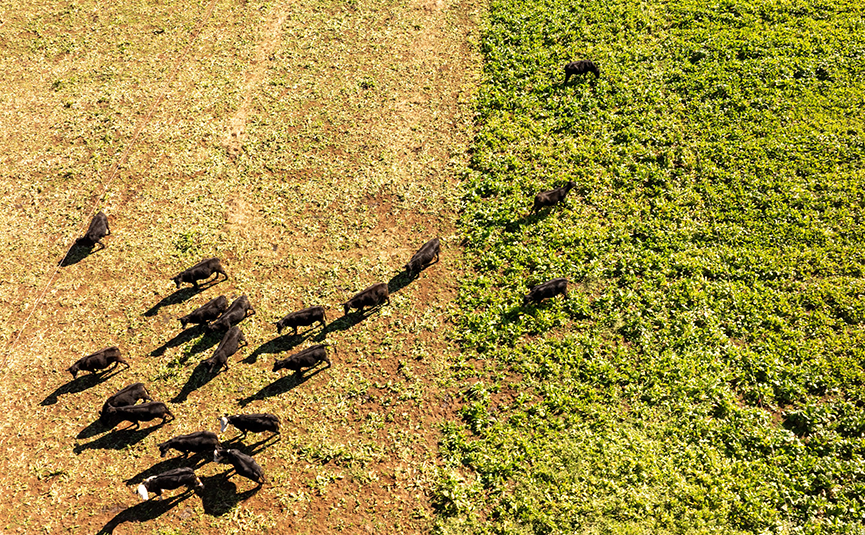
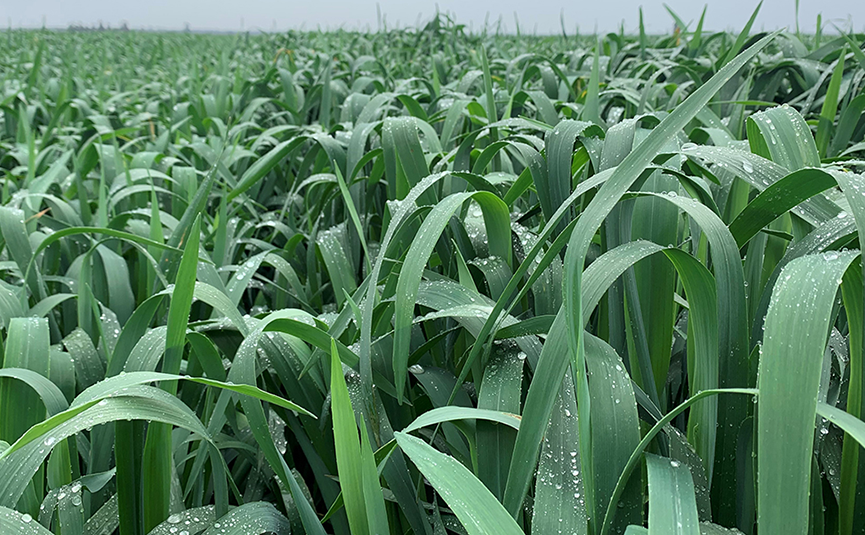
  • Forage cereals and winter legumes are a practical tool for bridging feed gaps, providing targeted production when your perennial base is under pressure.

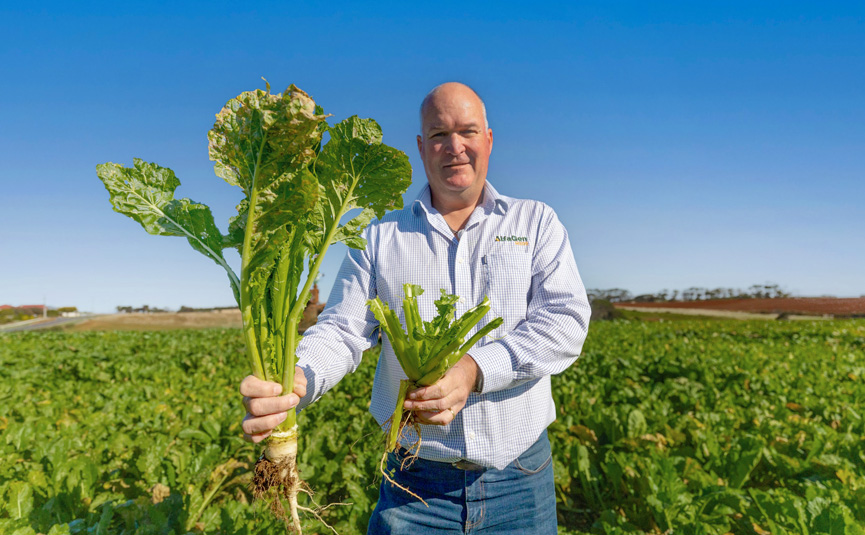
Choose varieties that are well-suited to your specific conditions, with proven persistence and adaptability to Australian conditions. If you’re looking for more information about what’s right for your farm, you can browse our full range on our website, or download the AlfaGen Seed Guide to find the right option for your system.


How pasture growth changes through the seasons

Autumn is the critical establishment window for cool-season species. Soil temperatures are still warm enough to drive germination, and moisture is usually more reliable, making it the best time to get ryegrass, lucerne and forage cereals in the ground ahead of winter.

Winter brings slower seasonal pasture growth across most of Australia. Shorter days and colder temperatures put the brakes on, particularly in southern and highland regions. It’s not a time to push pastures hard, rest periods matter more, and grazing management becomes your main lever.

Spring is when pasture growth patterns shift dramatically. Rising temperatures and moisture drive rapid production, sometimes faster than stock can utilise. Surplus management, cutting for hay or silage, becomes just as important as grazing.

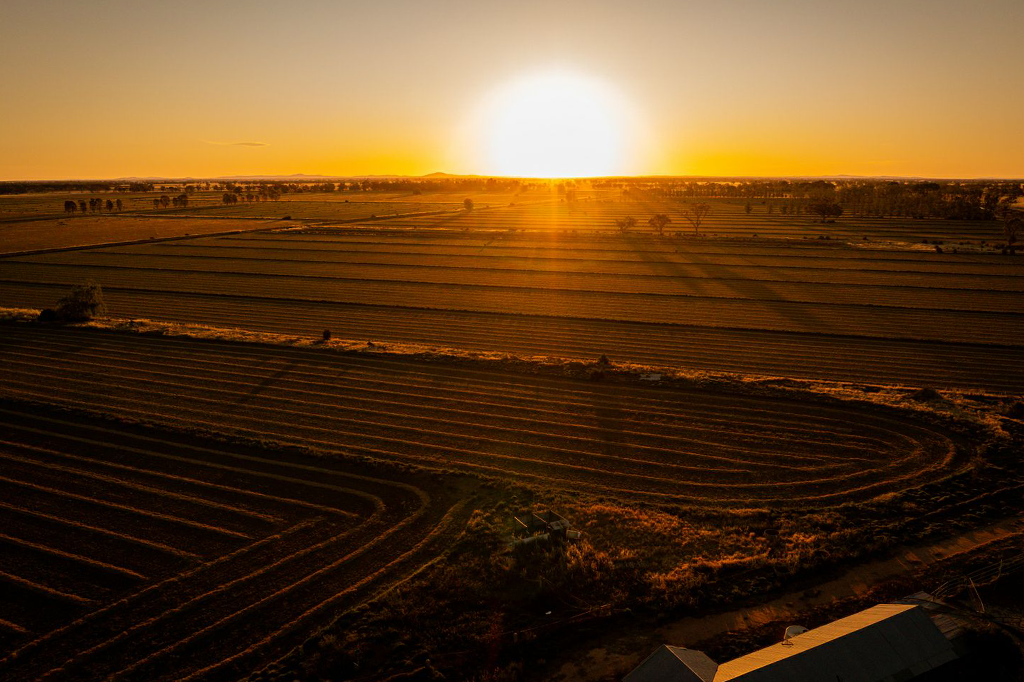
Summer performance depends heavily on what you’ve sown. Cool-season species slow or go dormant under heat stress, while deep-rooted summer performers like lucerne, brassica and forage sorghums keep producing when others can’t.

Aligning pasture systems with seasonal conditions

Choosing species that complement each other smooths out your feed gaps and gives you more to work with when the season doesn’t go your way. Combining cool-season and warm-season species creates a more balanced production curve. When your ryegrass slows down over summer, your lucerne can keep producing. When lucerne goes dormant in winter, cool-season species step up. 

The key feed gaps to plan around in most Australian systems are winter and summer. Winter gaps are common in cooler, southern regions where growth slows significantly. Summer gaps are more of a challenge in drier inland areas, or where farms rely heavily on cool-season species. Knowing where your vulnerable periods are, and having a plan to address them, whether through forage crops, hay reserves or adjusted stocking, puts you in a much better position.

Looking for more information?

Get in touch with your AlfaGen Seeds Territory Manager or check out the rest of our website and we can help you plan for whatever the season throws at you.

Frequently asked questions

You might also like

Practical insights for better pastures

Get seasonal tips, agronomy advice and seed recommendations from the AlfaGen Seeds team.