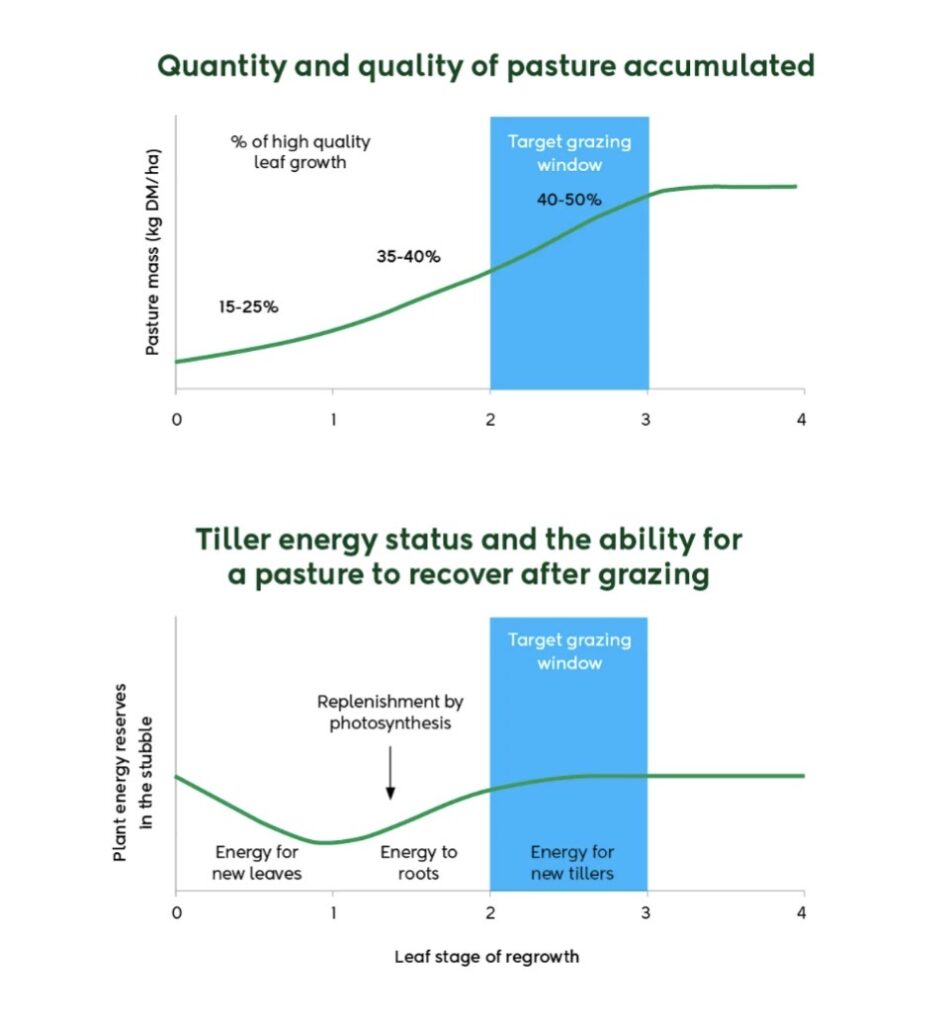
Diagram from Leaf stage – DairyNZ – click for more information.
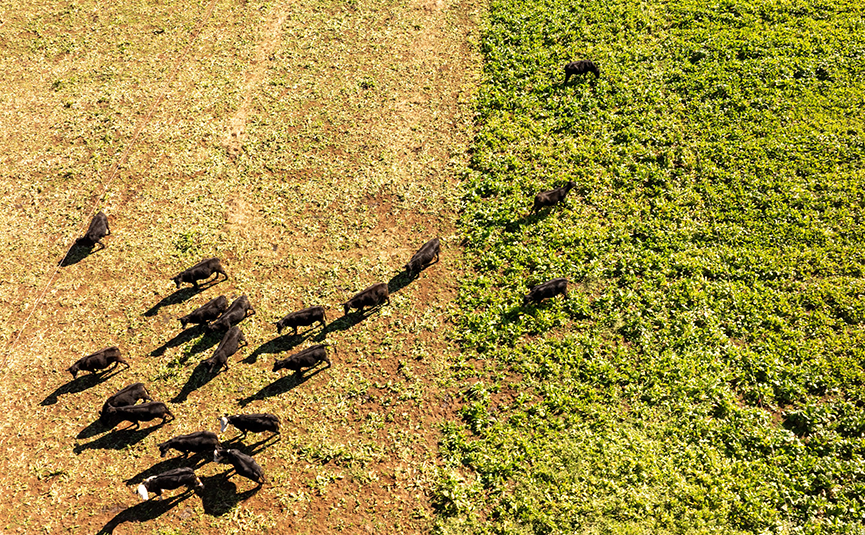
Getting the recovery period right is a balancing act. Graze too early and the pasture simply isn’t palatable enough for livestock. Rather than grazing immature plants, animals will often walk over them, resulting in valuable feed being lost through trampling. While the feed may be present, the dry matter and quality on offer are not yet at their potential, limiting intake and utilisation.
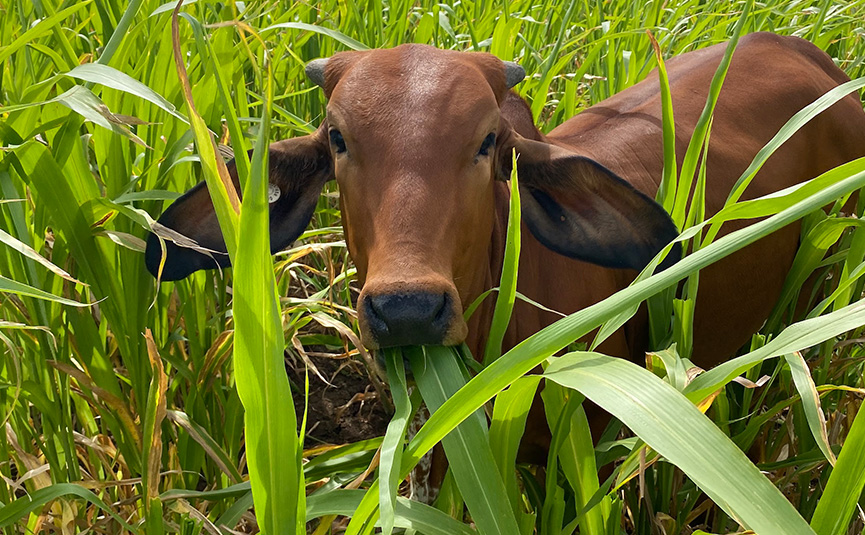
Leave it too long and palatability declines for a different reason. As plants mature beyond their optimal grazing stage, leaves begin to yellow, senesce and decay. Feed quality and digestibility fall, making the pasture less attractive to livestock and reducing the energy available to support animal performance. While there may be plenty of feed in the paddock, much of its nutritional value has already been lost.
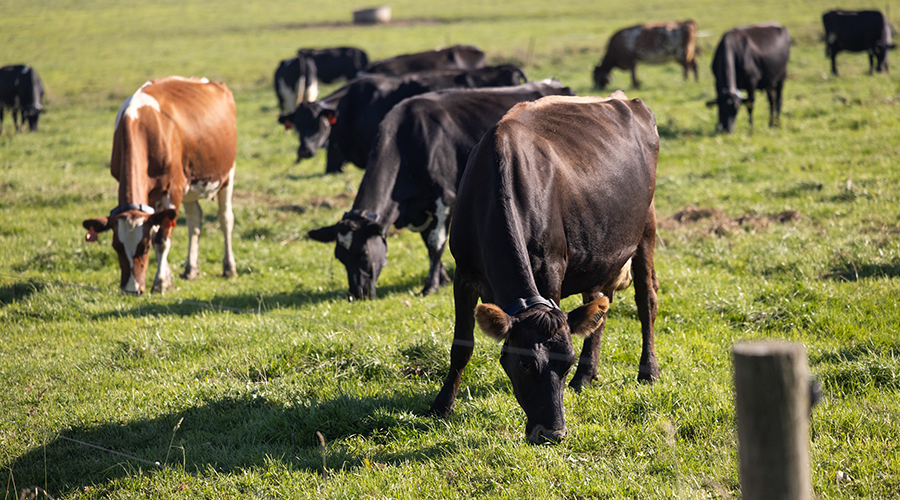
Either way, the outcome for livestock is the same – less palatable feed available. Growth rates, condition scores and milk production are all tied to the quality and quantity of what stock is grazing. Getting recovery right is one of the most direct levers you have over what your animals actually produce.
It’s also worth keeping temperature in mind. In cooler months, the leaf emergence rate slows right down. A single leaf may take 21 – 28 days to fully emerge, meaning you could be waiting 60- 80 days before a pasture is ready to graze again at the 3 leaf stage. In spring and early summer, that same process might take as little as 6-8 days per leaf, compressing your rotation to about 3 weeks. Recovery periods aren’t fixed – they move with the season, and your management needs to move with them.