-

Summer pasture management: what to monitor as temperatures rise

Summer pasture management starts with looking beyond what you can see from your ute. As temperatures rise, pasture quality, soil moisture and plant growth can change quickly, making regular paddock checks more important.

In this article

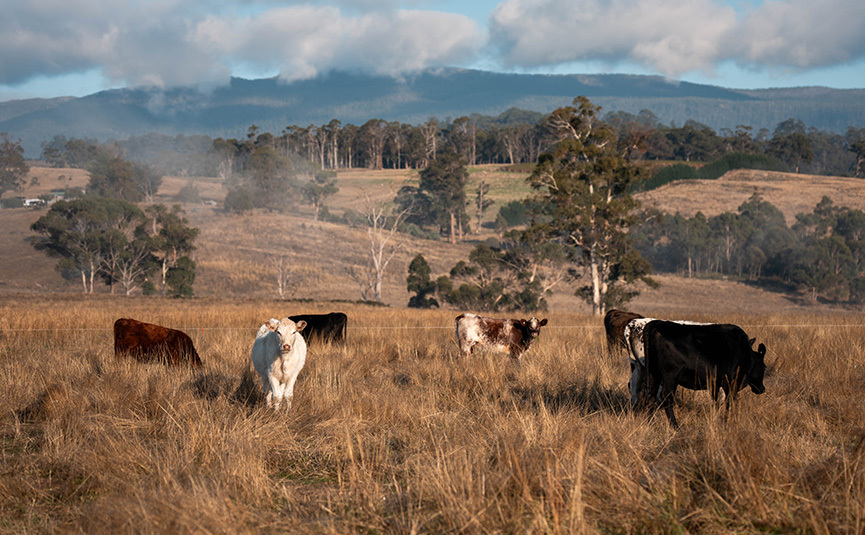
Summer can be a tough time for pastures. As temperatures climb and rainfall becomes less predictable, conditions can change quickly, and what looks like a healthy paddock from the ute window doesn’t always tell the full story.

There might still be plenty of dry matter standing, but how much of it is useful feed? Is there enough soil moisture to keep pastures growing? Are livestock finding enough quality feed?

Regular pasture management and monitoring can help you spot these changes early, giving you more time to make decisions around summer grazing, feed allocation and what comes next. Here are five things to keep an eye on this summer.

5 things to monitor in your pasture this summer

Pasture cover

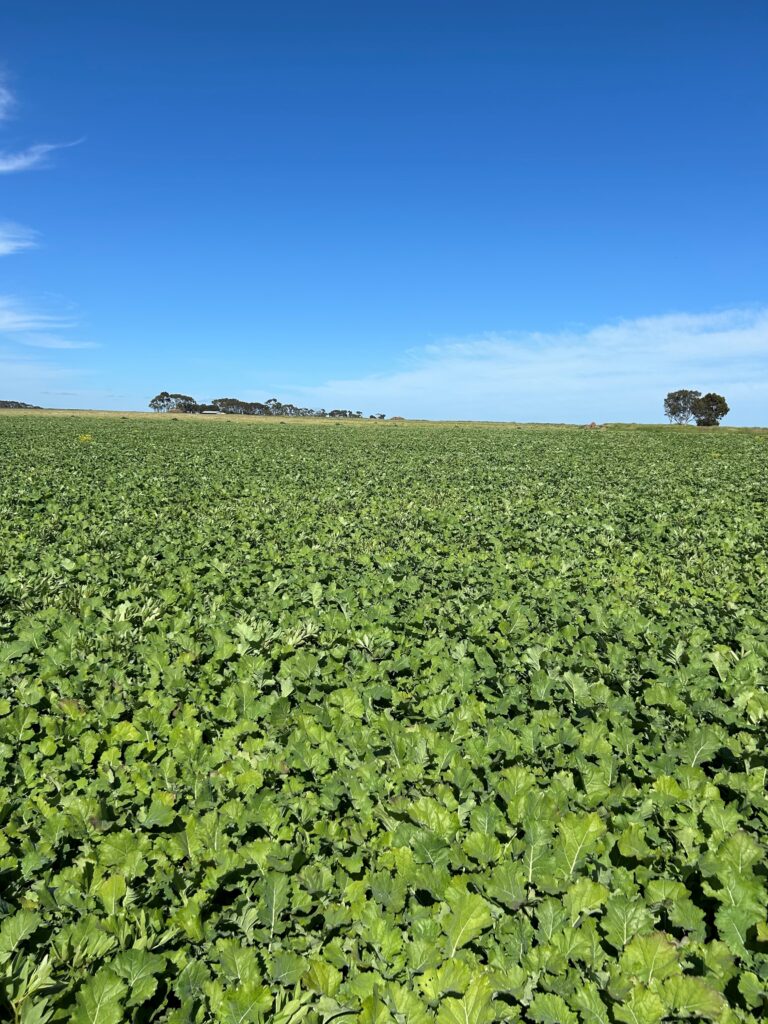
Start by checking each paddock individually, rather than just looking at your farm as a whole. Pasture cover can vary from one paddock to the next, so take note of how much usable feed is available.

Look for areas where pasture is becoming thin or bare, or showing signs of grazing pressure getting too much. Maintaining good pasture cover through hot, dry periods helps protect the soil and gives existing pasture plants a better chance of persisting through summer. 

If you do spot thinning areas, have a think about whether oversowing could help improve your ground cover and pasture density, if the conditions are suitable. If bare patches are widespread, pasture renovation might be a better long-term option. If you’re not sure why your pasture is struggling, your local agronomist or AlfaGen Seeds Territory Manager can help you find an approach that suits your situation.

Green feed vs mature or dry material

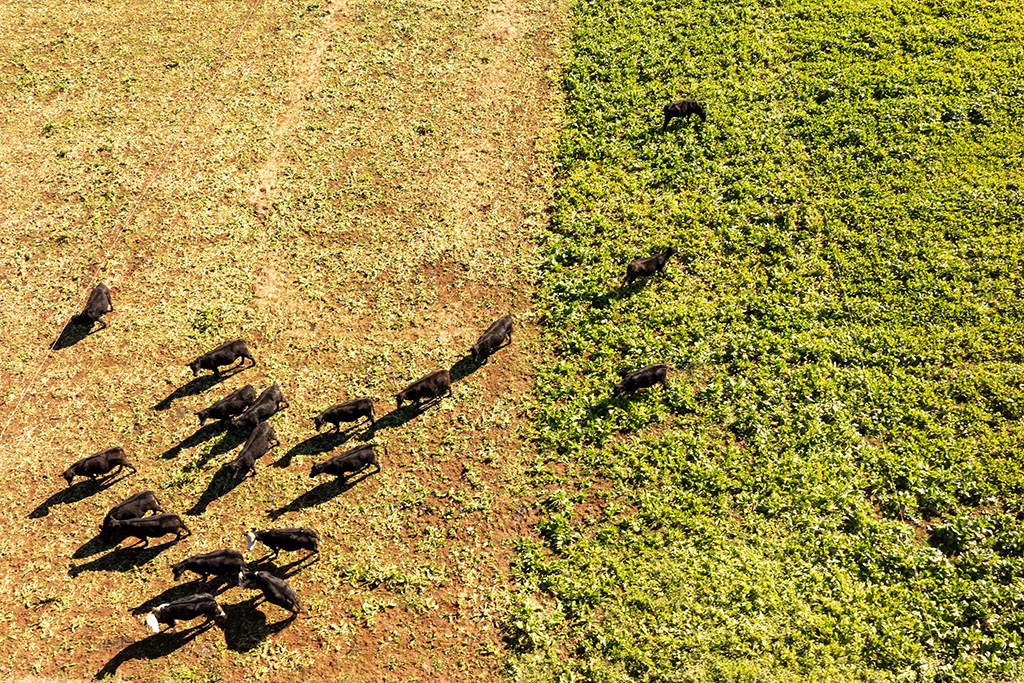
More pasture doesn’t necessarily mean more quality feed. As summer progresses, keep an eye on the balance between actively growing green feed and mature or dry material.

Mature pasture can become less palatable, and your livestock might become more selective about what they eat. So, rather than just noting how much feed is in the paddock, consider what your herd is actually consuming.

Soil moisture

As moisture levels decline, pasture growth can slow down, and the change isn’t always obvious from above ground. Keep an eye on soil conditions alongside what you’re seeing in the pasture. Recent rainfall, rainfall history and the forecast can all provide useful context when assessing how much growth you can realistically expect.

Livestock behaviour and performance

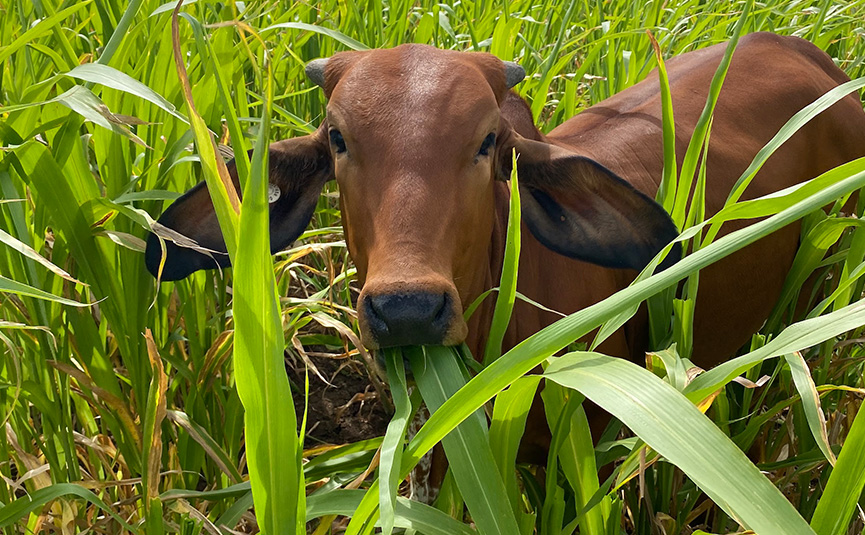
Your livestock can tell you plenty about what’s happening in the paddock. Are they spending longer grazing? Becoming more selective? Are body condition and weight gains changing?

Compare those observations with what you’re seeing in the pasture. Together, they can help indicate whether feed availability or quality is starting to fall.


Signs of summer stress

Keep an eye out for visible signs of pasture stress, like wilting, browning, reduced growth or increasingly exposed soil.

How quickly these signs appear will vary depending on the species, location and seasonal conditions. Knowing what normal summer growth looks like in your paddock makes it easier to recognise when conditions are starting to take their toll.

For more information on pasture species, varieties and management, explore the AlfaGen Seeds resources section.

Using summer observations to plan ahead

Good summer pasture planning isn’t just about getting through the warmer months. It’s also about learning from them.

Make a note of which paddocks held their cover and which struggled. These observations can help when you’re planning the next seasonal transition. Over time, these observations can help inform pasture species, variety and future sowing decisions that better suit your farm’s conditions.

Looking to learn more about the AlfaGen Seeds products available and how they could fit into your farming system? Get in touch with your local AlfaGen Seeds Territory Manager today. 

FAQ

You might also like

Practical insights for better pastures

Get seasonal tips, agronomy advice and seed recommendations from the AlfaGen Seeds team.