-

What should I be planting in spring to avoid a summer feed shortage?

Maintaining a reliable feed supply through summer can be a real challenge. As pastures slow down and temperatures rise, supplementary feed costs can quickly add up, while animal performance can start to suffer. But a well-planned spring can put you in a much stronger position.

In this article

For Aussie farmers, summer can be one of the most challenging times of year to keep feed supply consistent. Pastures slow down, temperatures climb, and before long you’re either reaching for expensive supplementary feed or watching animal performance drop. The good news is that with the right planning for spring, you can reduce your risk and improve your resilience.

By starting your planning now, rather than reacting once the feed runs out, you can save yourself from future troubles. Strategic sowing of summer forage crops during spring can bridge feed gaps, take pressure off perennial pastures and keep livestock performing through the hottest months of the year. 
Why do summer feed shortages happen?

As temperatures rise and rainfall shifts, cool-season pastures that were pumping through winter and into spring start to slow dramatically. It’s not just growth that declines, feed quality and palatability drop too, meaning livestock are getting less high-quality feed at a time they need it most.

The cost of being caught short adds up fast. Supplementary feeding bills climb, weight gains stall, milk production falls, and your flexibility around stocking decisions shrinks. It’s a squeeze that hits from multiple directions, and it hits hardest when you haven’t planned for it. Growers who consistently come out the other end of summer in good shape are usually the ones who started thinking about it months earlier.

What spring conditions mean for your summer feed

Timing matters more than most people realise. Get your crops established early enough and they’ll be producing feed right when your permanent pastures start to struggle. Leave it too late and you’ve lost valuable growing time before the heat arrives.

Before sowing, you’re looking for your soil temperatures to reach the appropriate threshold and frost risk to have passed. Adequate soil moisture at sowing is also critical – dry soils slow germination and knock early establishment around. Keeping an eye on the seasonal rainfall outlook helps you decide how much area to commit to and where to focus your effort.

Depending on what you’re sowing, try not to delay sowing too far into spring or early summer. Every week you push it back could be a week less of productive grazing or cutting before hotter, drier conditions arrive. Get the crop in the ground while spring moisture is still on your side.

The best summer forage crops for Australian farms

Different crops suit different systems, regions and goals. Here’s a quick rundown of your options for summer feed crops:

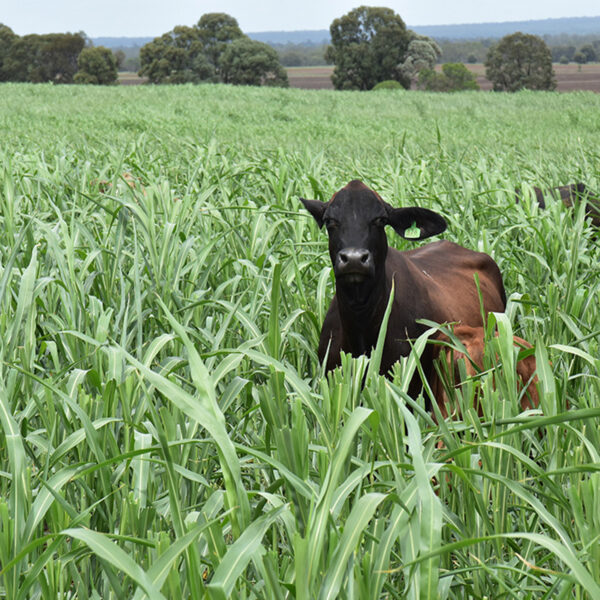
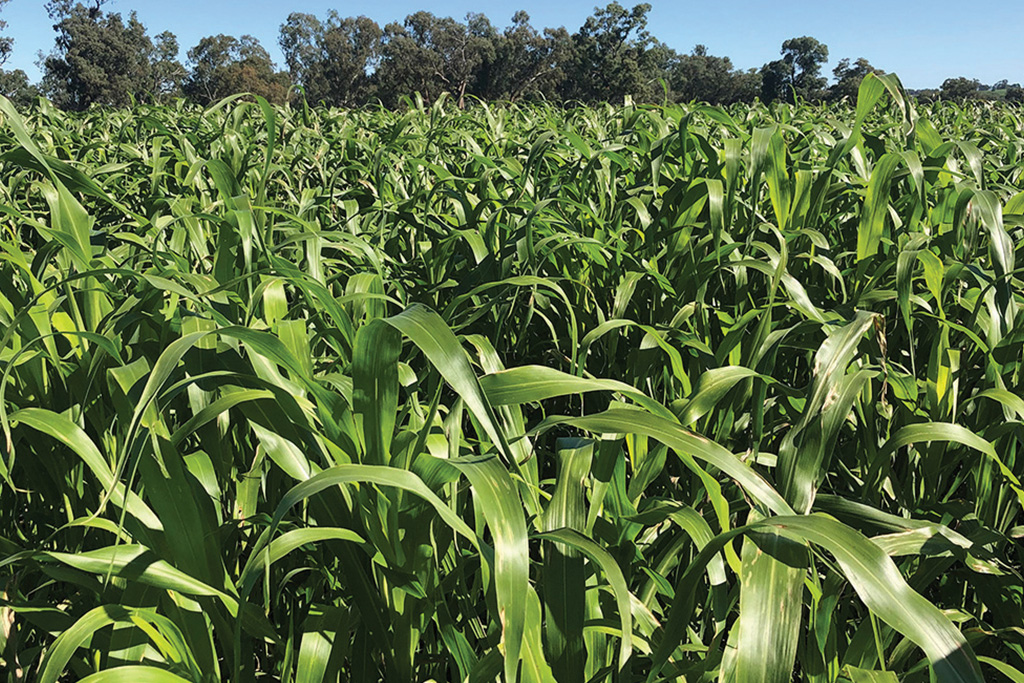
Forage sorghum

  • High biomass production
  • Excellent for grazing and conserved fodder
  • Performs well in hot conditions
  • Can be sown from September through to January in favourable conditions
  • Best suited to areas with reliable summer rainfall or irrigation

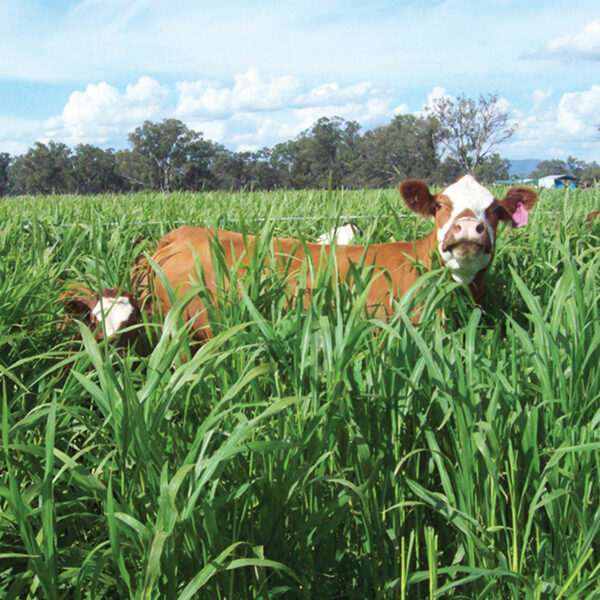
Millet

  • Fast establishment even in tougher soils
  • Rapid growth through hot conditions
  • Good option where grazing is required quickly

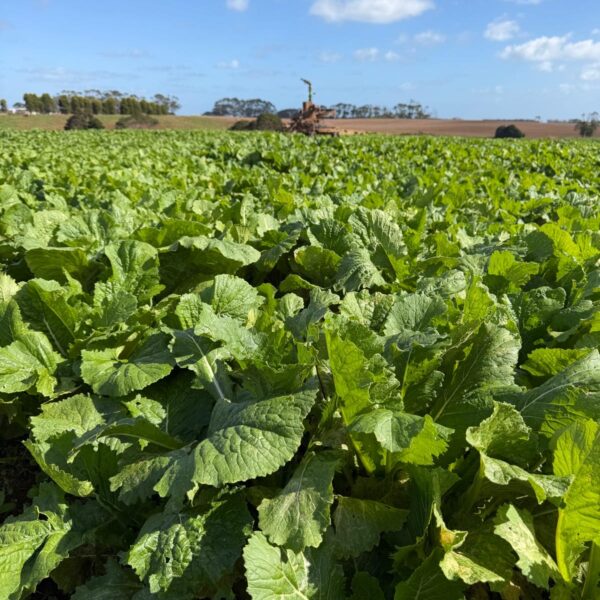
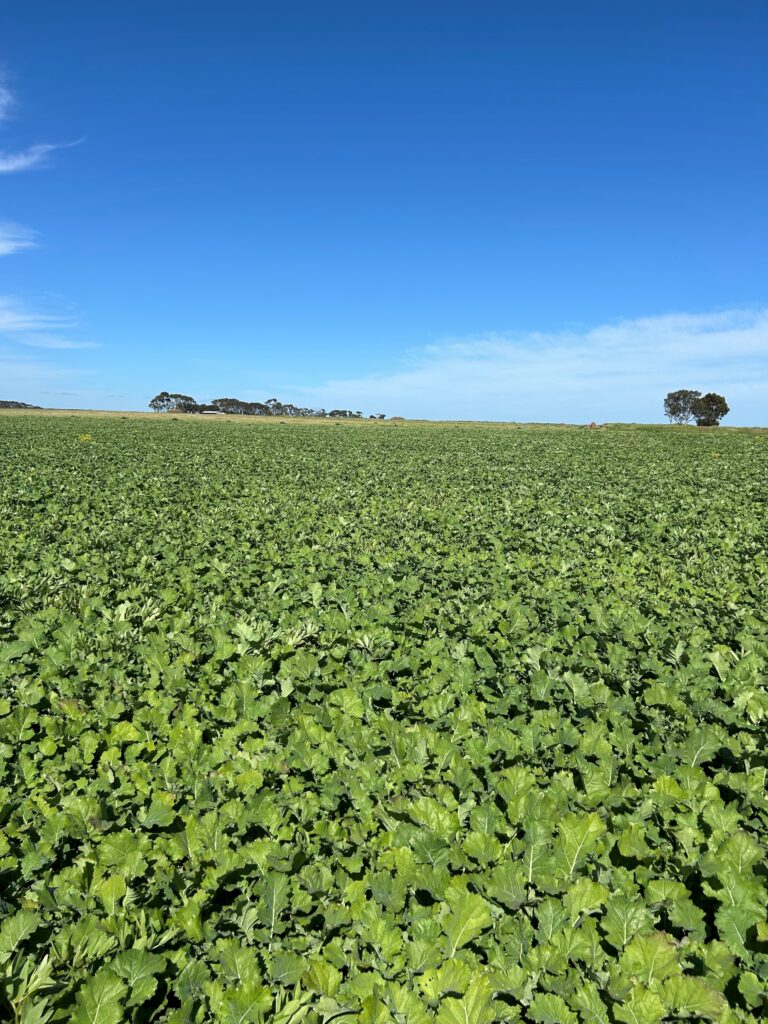
Forage herbs and brassica 

  • Fast, highly nutritious feed to keep stock performing when pastures slow down
  • Highly palatable with strong regrowth for filling feed gaps
  • Great option for paddock renovation, weed control and soil improvement

Lucerne

  • Deep-rooted for dry summer conditions
  • Under the right management, can produce quality feed through summer 
  • High protein and digestibility for strong animal performance
  • A persistent, longer-term solutions over multiple seasons

Used strategically and managed well, these summer feed crops can fill summer feed gaps that would otherwise put real pressure on your livestock and pastures. 

What are the right conditions for sowing forage sorghum in spring?

As a guide, soil temperatures should be at 15°C and rising before you put seed in the ground. Forage sorghum sown into cold soils germinates poorly and establishes unevenly, which costs you yield and grazing days down the track. Adequate soil moisture at sowing supports good germination and early establishment. In ideal conditions, forage sorghum can be grazed after 12–14 weeks. 

Forage sorghum requires a warm summer growing period of about 4-5 months, with planting times usually between September and January. Forage sorghum can be highly drought-tolerant and responds quickly to rainfall. Frost risk should also have passed before you start sowing. A late frost on an emerging sorghum crop can set you back significantly. 

As always, we recommend you speak to your local agronomist or AlfaGen Seeds Territory Manager to determine the best solution for your environment.

Long-term benefits of planning ahead

Getting your summer forages sorted during spring doesn’t just solve an immediate feed problem; it can change how your whole farming system performs over time. Consistent livestock performance, reduced purchased-feed costs, better recovery of permanent pastures and greater stocking flexibility all flow from having feed available when you need it rather than scrambling to find it.

Producers who build seasonal feed planning into their operation year after year tend to come out of dry summers in better shape than those who don’t – with pastures that have had the chance to recover properly, livestock that have maintained condition and a cost base that isn’t blown out by emergency feeding. Choosing proven forage, millet or lucerne varieties suited to your local conditions is a big part of making that planning work.

Understanding your seasonal feed demand, choosing the right summer forage crops, sowing at the right time and integrating those crops into your broader grazing system are all steps you can take to reduce risk and build resilience, no matter what the season brings. Taking the time to plan ahead this spring is an investment in a more productive, more profitable and more resilient operation all summer long.

Want to know more about boosting your summer feed supply?

 Check out our latest articles for tips, trial results and real stories from the paddock – like how Jono Tibbles used Fine As forage sorghum for quick cuts and quality hay in Springsure, QLD, and how John Maben is making FlexiGraze® work at Bangalore.

AlfaGen Seeds forage sorghum and millet, and herbs and brassica are versatile summer crops built for tough conditions, proven in Australian conditions. Speak to your AlfaGen Seeds Territory Manager or head to your local stockist to find out more.

You might also like

Practical insights for better pastures

Get seasonal tips, agronomy advice and seed recommendations from the AlfaGen Seeds team.