-

Cover crops: how to choose the right blend

From reducing erosion and weed pressure to improving soil health and providing extra feed, cover crops can do more than keep your bare soil in check. Find out how to choose the right blend for your system.

In this article

Bare soil can cost you more than you think. Erosion, lost moisture, weed pressure and those extra fertiliser bills can add up. Whether you’re managing a paddock, orchard or vineyard, cover crops can help protect your soil while making better use of the ground.

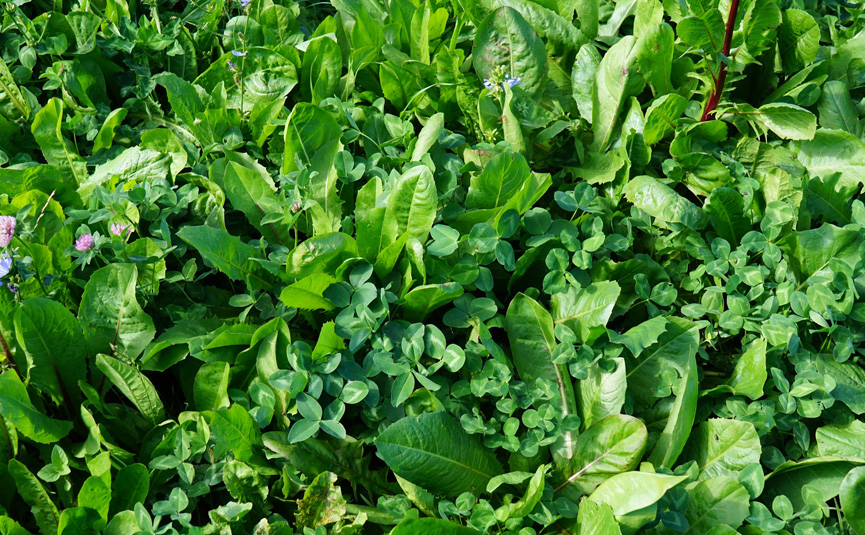
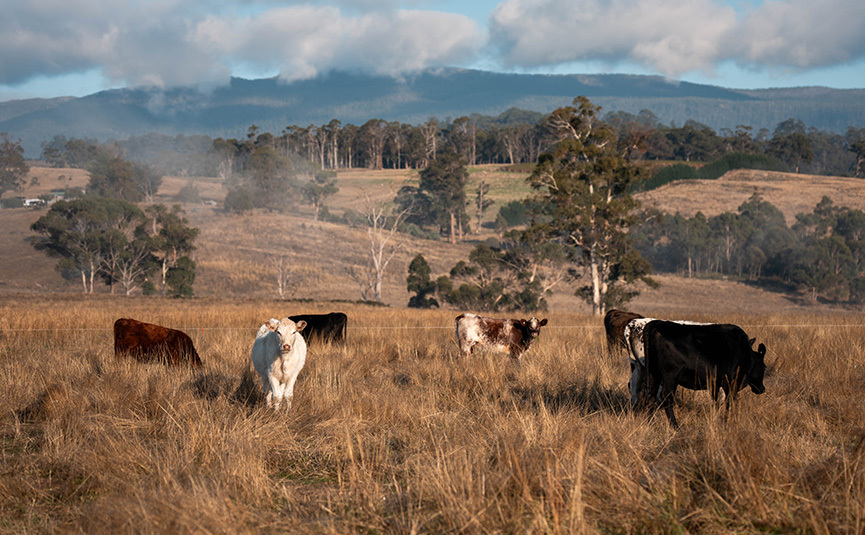
Cover cropping is all about growing plants to improve and protect the soil, rather than harvesting them for sale. However, most cover crops can also be grazed by livestock, making use of the available feed while helping to minimise waste and improve overall farm productivity. And with autumn being the main sowing window for many cover crop blends, November is a good time to start planning what will work in your system.

What is cover cropping and how does it work?

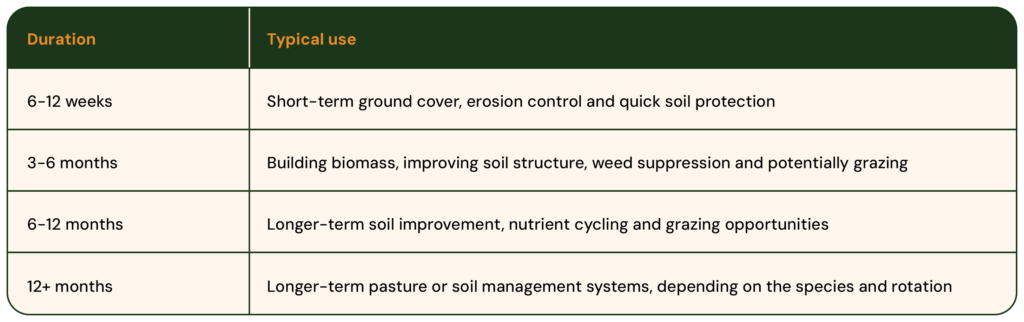
Cover crops can be grown for a few weeks through to several months or longer, depending on the species sown, seasonal conditions and farm management objectives. They provide soil health benefits, additional feed and ground cover before being terminated through grazing, mowing, rolling, spraying or ploughing in. 

Some are used as green manure crops, where the plant material is worked back into the soil. As it breaks down, it adds organic matter and releases nutrients for the next crop. Cover crop blends can include cereals, legumes, brassicas and herbs, with each bringing different benefits.

Why grow cover crops?

Adding cover crops to your system can help:

Protect your soil: Ground cover helps reduce erosion, dust and runoff, while improving machinery access when conditions are wet. 

Build organic matter: As roots grow and plant material breaks down, organic matter increases. This can help soil hold moisture, improve structure and feed beneficial soil microbes.

Add nitrogen: Legumes like vetch and clover can fix nitrogen from the air and make it available in the soil. SOWsmart® HDL cover crop blend can contribute up to 50kg/ha of nitrogen for subsequent crops, the equivalent of 100kg/ha of urea.

Help manage weeds: A dense cover crop can compete with weeds for light, space and nutrients.

Biofumigation: Brassicas like mustard and radish can be used for biofumigation. When cut at their first flowering and worked into moist soil, their breakdown can release compounds that help with soil-borne pests and diseases.

Attract pollinators: Flowering cover crops can provide valuable food for bees ahead of flowering in nearby almond, avocado and macadamia orchards.

Choosing the right cover crop blend for your situation

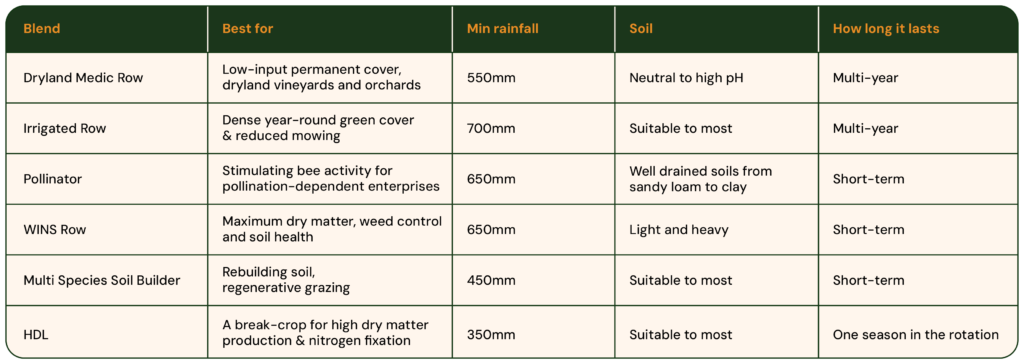
The right blend depends on your system, rainfall, soil type and what you want to achieve. Here are four options to consider.

Dryland vineyard cover crops and orchards on alkaline soil: 

Dryland Medic Row

For dryland vineyards and orchards on neutral to high pH soils, Dryland Medic Row combines perennial grasses with self-seeding medics for persistent, low-input ground cover. Suited to areas receiving at least 550mm annual rainfall.

Recommended blend: Middini perennial ryegrass, Brighton cocksfoot, Penfield barrel medic and Silver snail medic. 


Irrigated orchard cover crops and vineyards wanting year-round cover: 

Irrigated Row

If you’re after permanent green cover, Irrigated Row combines summer- and winter-active species. Its low-growing habit can also help reduce mowing requirements. Suited to areas receiving at least 700mm rainfall.

Recommended blend: Middini perennial ryegrass, Brighton cocksfoot Casper white clover and Riesling white clover 


Quick seasonal inter-row cover crop for weeds and soil: 

WINS Row

WINS stands for Weed control, Inter-row, Nitrogen and Soil conditioning. This blend combines fast-growing barley for bulk, vetch to contribute nitrogen and radish to help open up the soil. It suits light and heavy soils and provides early-season forage production.

Recommended blend: Kraken forage barley , Timok vetch and Smart Radish.


Run-down soil and regenerative grazing: 

Multi Species Soil Builder

For paddocks needing a little extra attention, this nine-species blend brings together high dry matter producers and deeper-rooted species to help build soil organic matter. It suits most soil types, areas receiving at least 450mm rainfall and can be grazed as part of a regenerative grazing system. 

Recommended blend: Overland forage oats, Timok vetch, Loader annual ryegrass, radish, Subzero brassica, Rosella crimson clover and white quinoa each), plus Ranger plantain and Compass chicory.


Can cover crops pay their way?

Cover crops can help reduce costs down the track through less fertiliser, fewer herbicide passes and better yields after a break crop; and it doesn’t have to mean locking up a paddock for the season. Many blends produce high-quality dry matter that can be put to good use as livestock feed while regenerating the paddock.

When you use SOWsmart® HDL cover crop blend, legumes fix nitrogen while livestock graze the cover, and manure returns valuable nutrients to the paddock ahead of the next crop. SOWsmart® Pollinator can be ready to graze in as little as six to eight weeks.

Of course, getting the most out of grazing comes down to good management. Read our article on grazing management for tips on supporting pasture health and keeping your system productive.

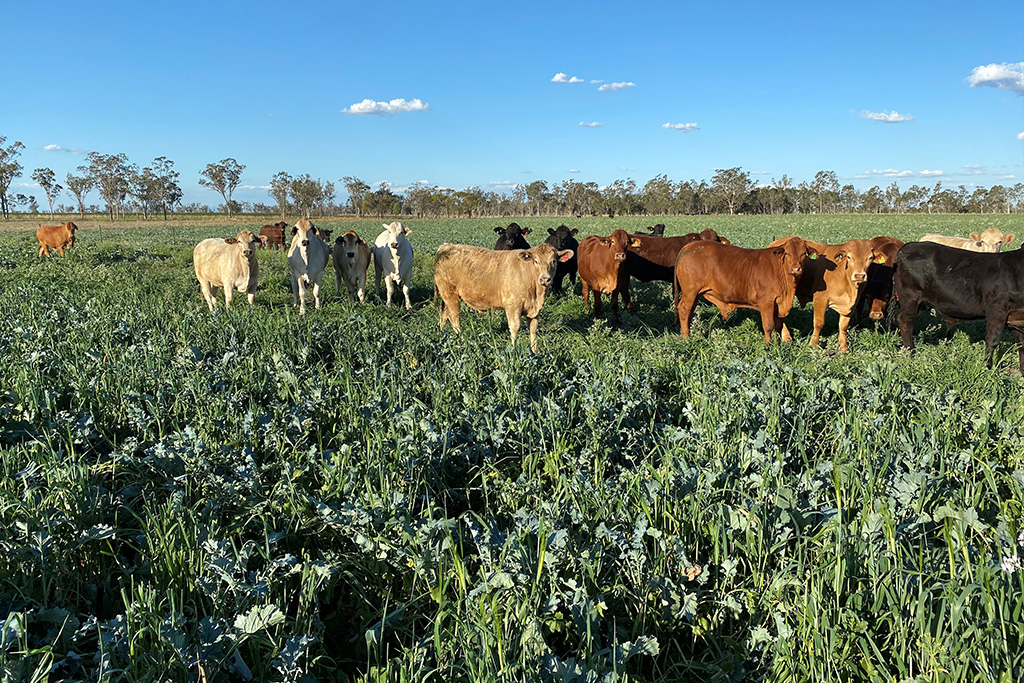
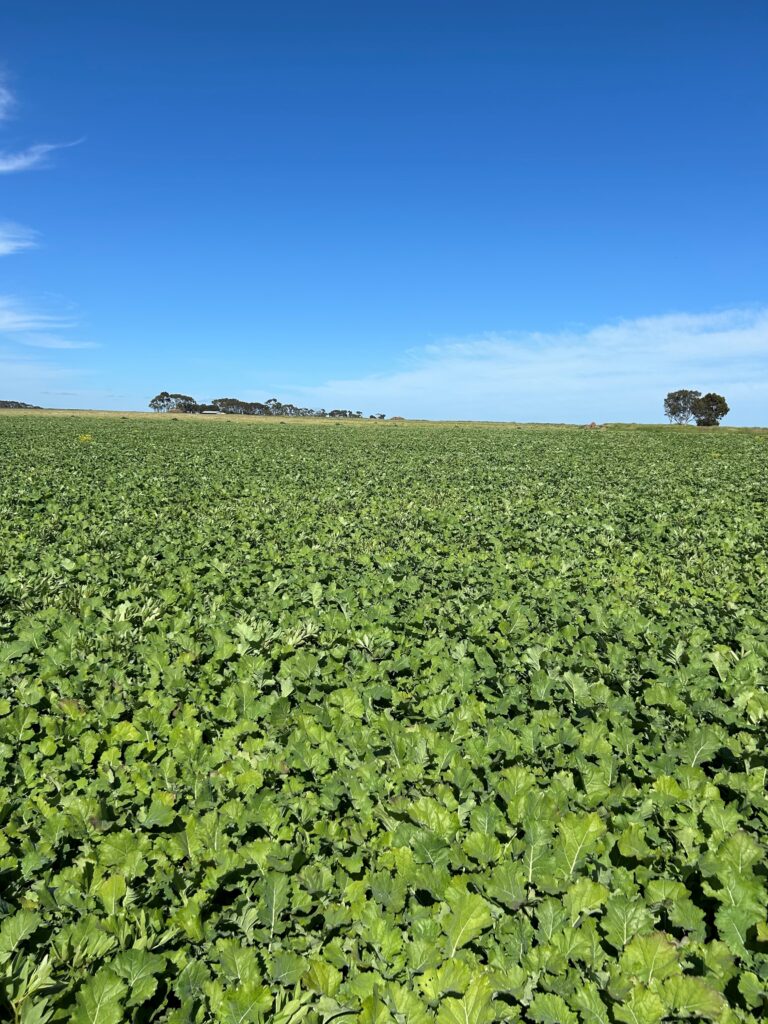
Multi Species Soil Builder, Dalby, QLD

Find the right cover crop blend for your system

There’s no one-size-fits-all approach to cover cropping. The best blend for your farm will depend on your soil, rainfall, rotation and what you want to get out of it. Chat to your local agronomist or AlfaGen Territory Manager about the options available – we can even build a custom blend specifically for your enterprise needs.

And with AlfaGen’s Establishment Guarantee, if your seed doesn’t establish in the first month, you can resow at half the price*. It’s another way we’re backing you and your investment in the paddock.

Explore AlfaGen’s cover crop seeds, inter-row and multi-species SOWsmart® range to find a blend that works for your system.

FAQ

You might also like

Practical insights for better pastures

Get seasonal tips, agronomy advice and seed recommendations from the AlfaGen Seeds team.